


Principal investigator: Dr. Valter Fasano – University of Milan, Institute for Respiratory Diseases.
Indoor pollution is a risk factor for Chronic Obstructive Pulmonary Disease (COPD). The aim of this study is to assess lung function, exercise capability, level of lung inflammation and oxidative stress in representative samples of population of villages at high altitude with no roads and industries so that the only effect of indoor pollution/smoking habits can be studied. At the beginning the study will be performed in Nepal, and the study may be expanded to Pakistan. A preliminary expedition was carried out in 2007.
The study will improve our understanding of the relationship between indoor pollution and respiratory health, to contribute to decreasing the morbidity and mortality from COPD in local populations. Study methods foresee non-invasive respiratory tests and exhaled CO measurements and a collection and analysis of sputum and exhaled air condensate from local subjects. The indoor pollution will be assessed through measurements of carbon monoxide. Following the analysis of the data, programs to prevent, diagnose and manage COPD will be proposed and implemented.
Mechanics and energetics of heavy load carrying on slopes: resource management in extreme conditions.
Principal investigator: Prof. Alberto Minetti – University of Milan, Institute of Human Physiology.
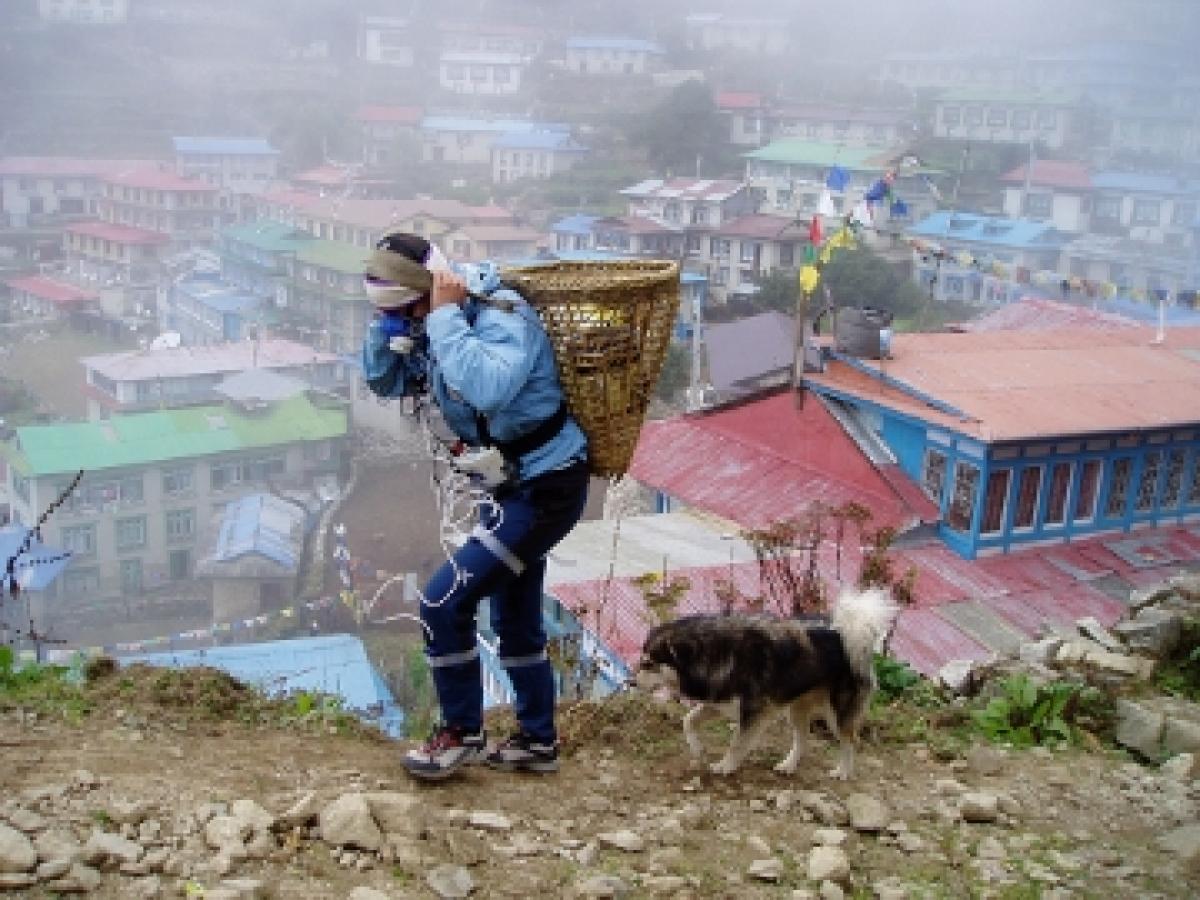
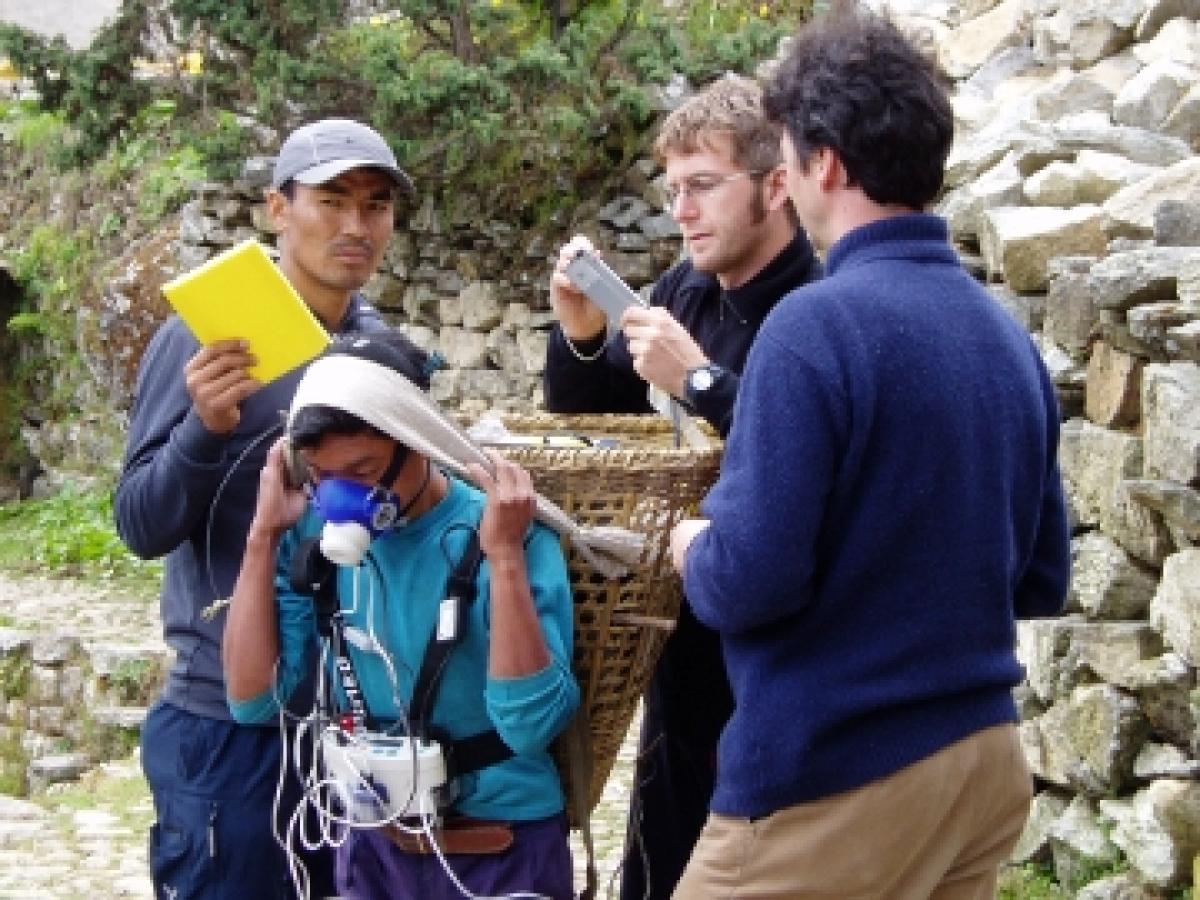
The aim of the project is to test the locomotor strategies in carrying high loads while walking on steep slopes in extreme hypoxia. It is hypothesized that Nepalese porters developed a sensibility allowing them to choose speed/gradient pairs which keep the muscular effort as constant as possible. Their ability in this task will be compared with professional Caucasian mountaineers who are expected not to have developed such skills. Two research expeditions have been already carried out and they unveiled that porters displayed better performances, better economy and better efficiency then Caucasian mountaineers.
A last expedition will be necessary to further our understanding of one final topic: is the porters’ better economy associated with their higher speed of ascent, assumedly permitted by a higher aerobic power? During the study, the performance of 5-6 Nepalese porters and 5-6 Caucasian mountaineers will be analyzed through collection of data on oxygen consumption, heart rate and bodily parameters when the subjects are loaded with 60% of their body mass.