


Principal investigator: Dr. Robert Naeije – Free University of Brussels, Department of Pathophysiology.
The purpose of the study is to investigate the effects of endothelin receptor antagonist-induced decrease in pulmonary vascular resistance on exercise capacity, and to document concomitant changes in right ventricular and renal function. The results will contribute to understand the pathophysiology of decreased aerobic exercise capacity in hypoxia, and thereby provide background and rationale for innovative anti-pulmonary hypertensive therapies in hypoxic patients. The study aims ultimately to contribute to a better understanding of exercise limitation in hypoxia and maybe provide a rational for the treatment of hypoxic pulmonary hypertension at high altitude.
Specifically, the researchers will:
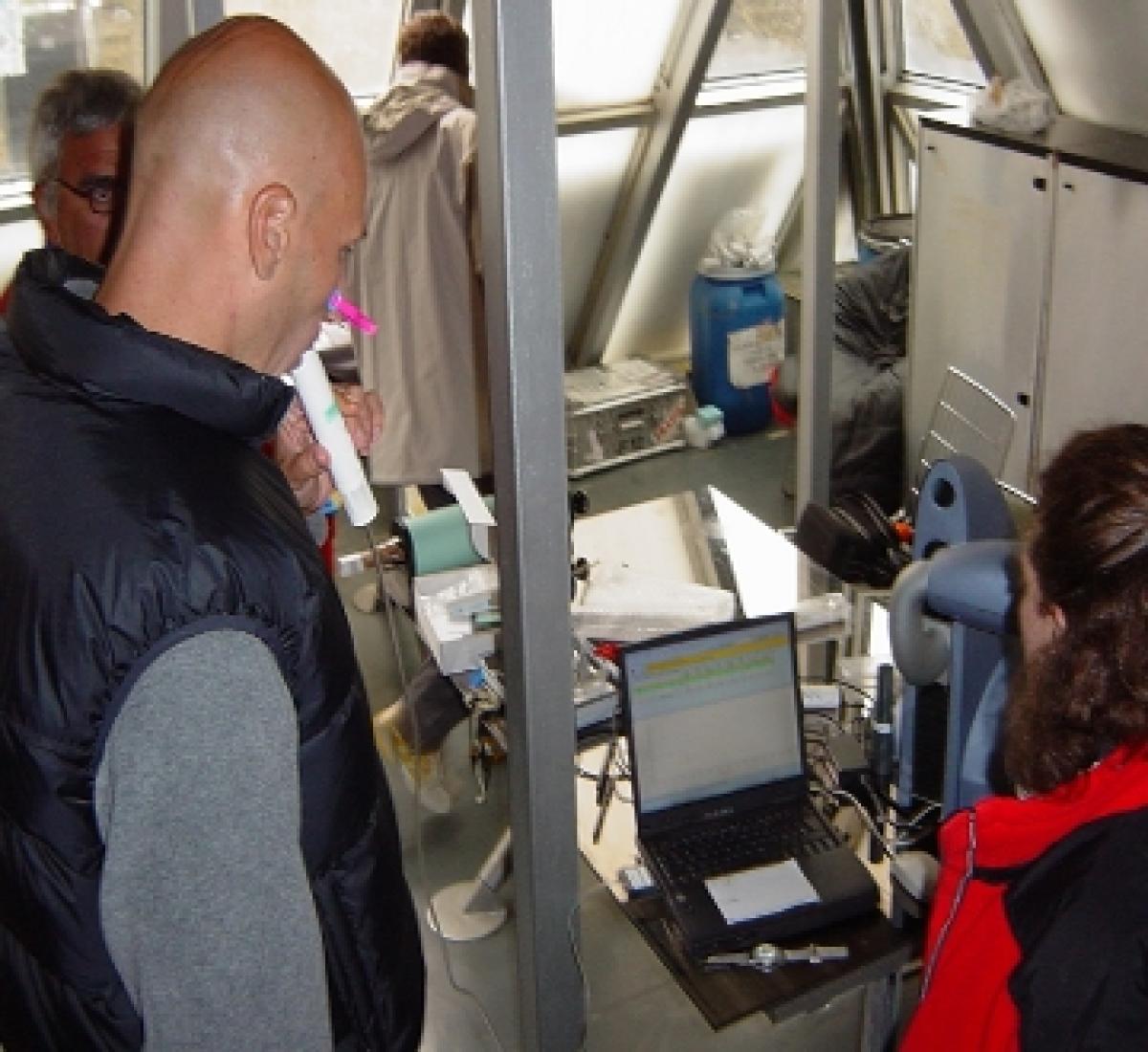
- study the effects of selective ETA receptor antagonist sitaxsentan on exercise capacity, using a cardiopulmonary exercise test (CPET) protocol including pulmonary artery pressure and flow measurements, ventilatory variables, workload, blood pressure, pulse rate and O2 saturation.
- study the effects of selective ETA receptor antagonist sitaxsentan on renal function as measured by diuresis, plasma and urinary urea, creatinine, uric acid, sodium, potassium and osmolality concentrations for the calculations of creatinine and urea clearances, free water clearance, and fractional excretions of sodium and potassium.