
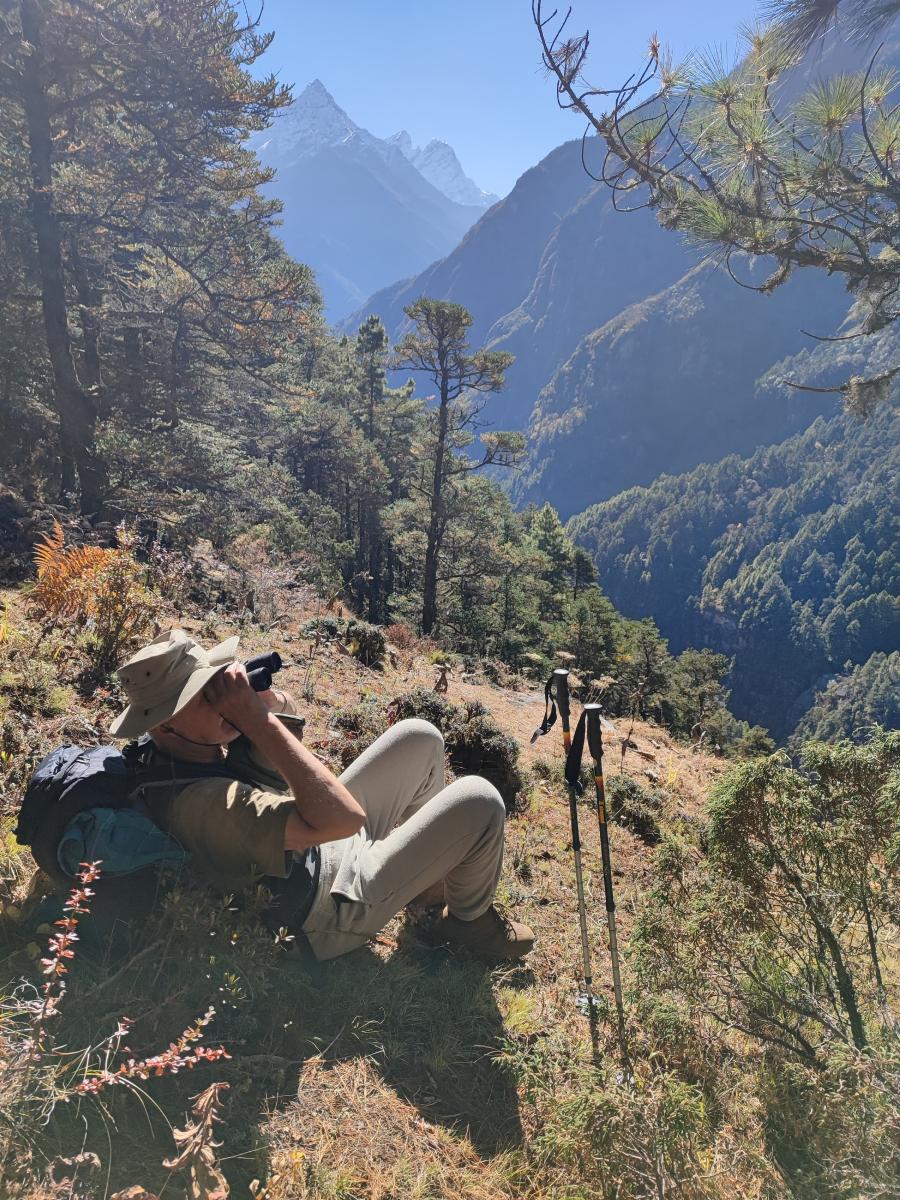
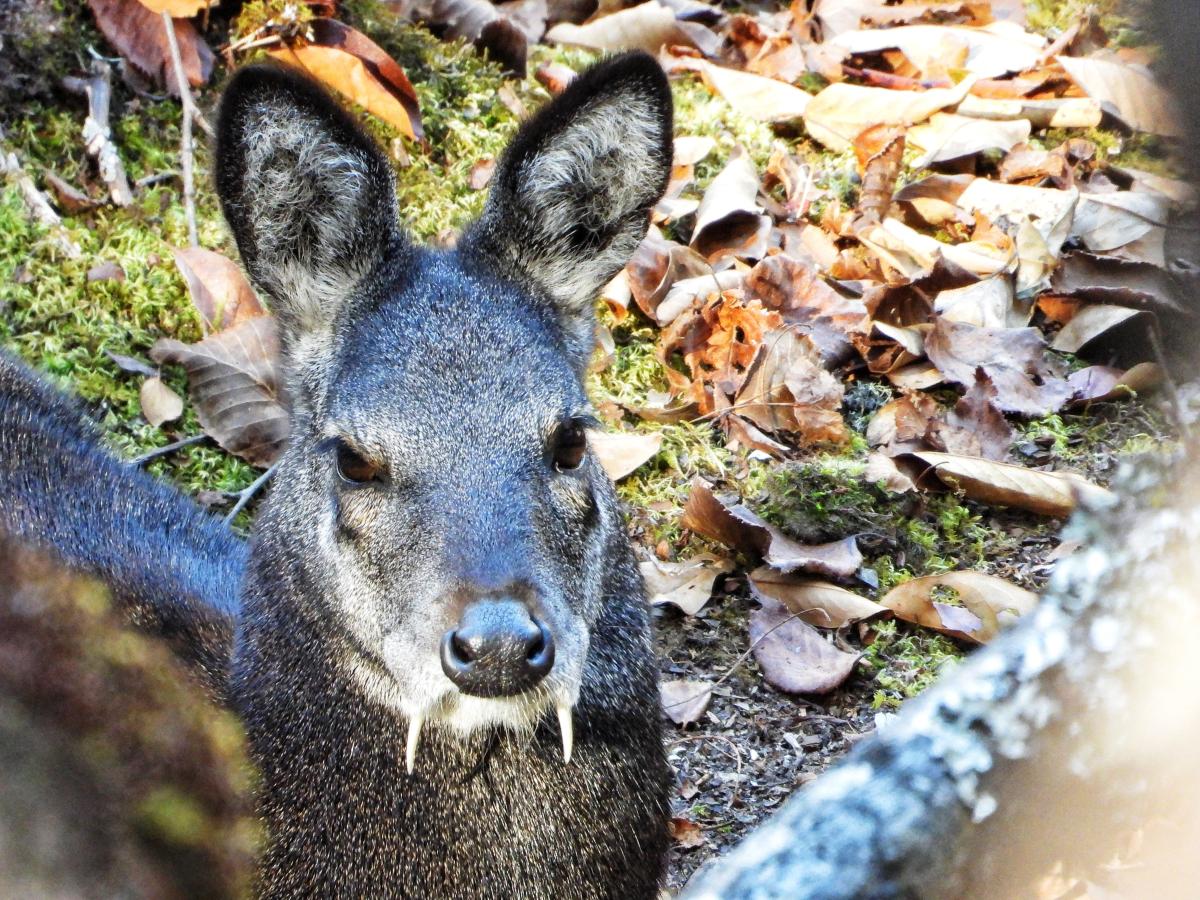
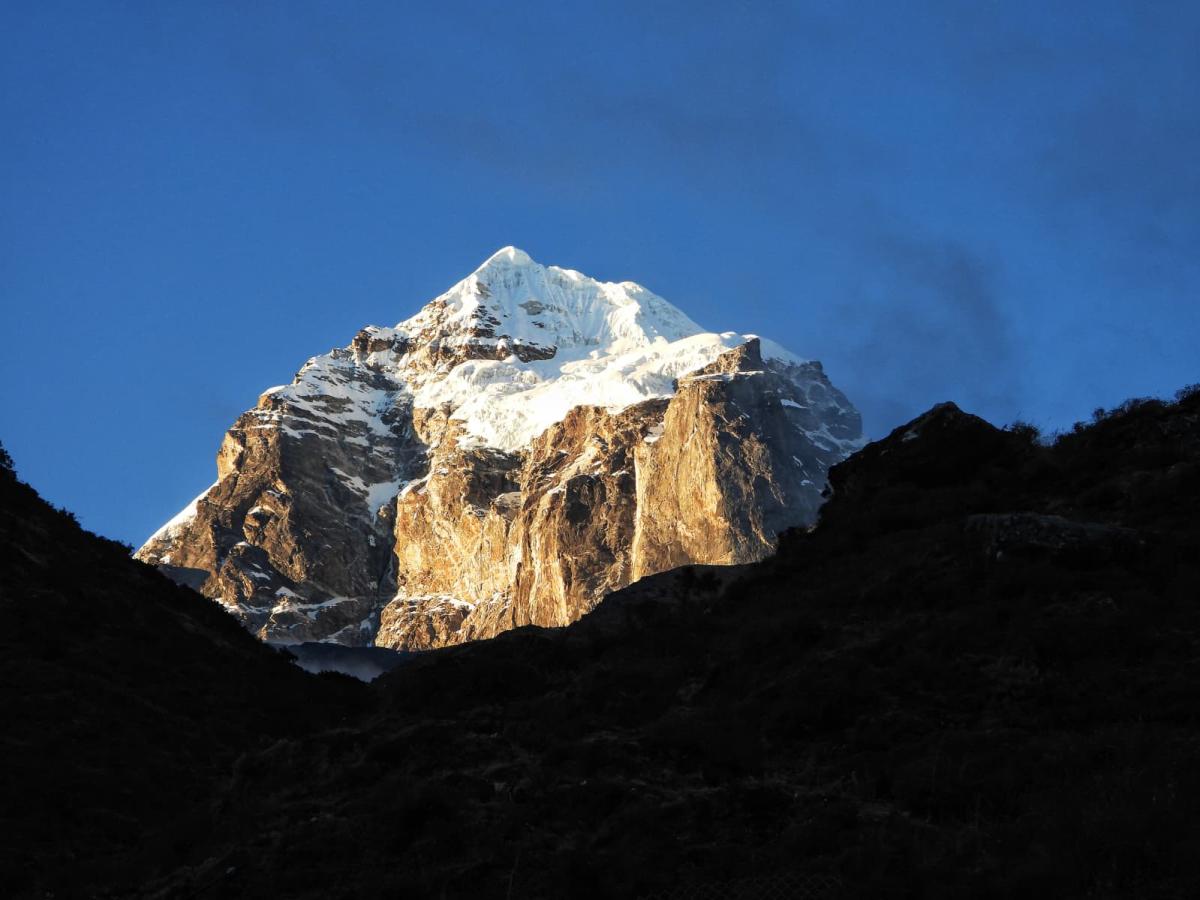
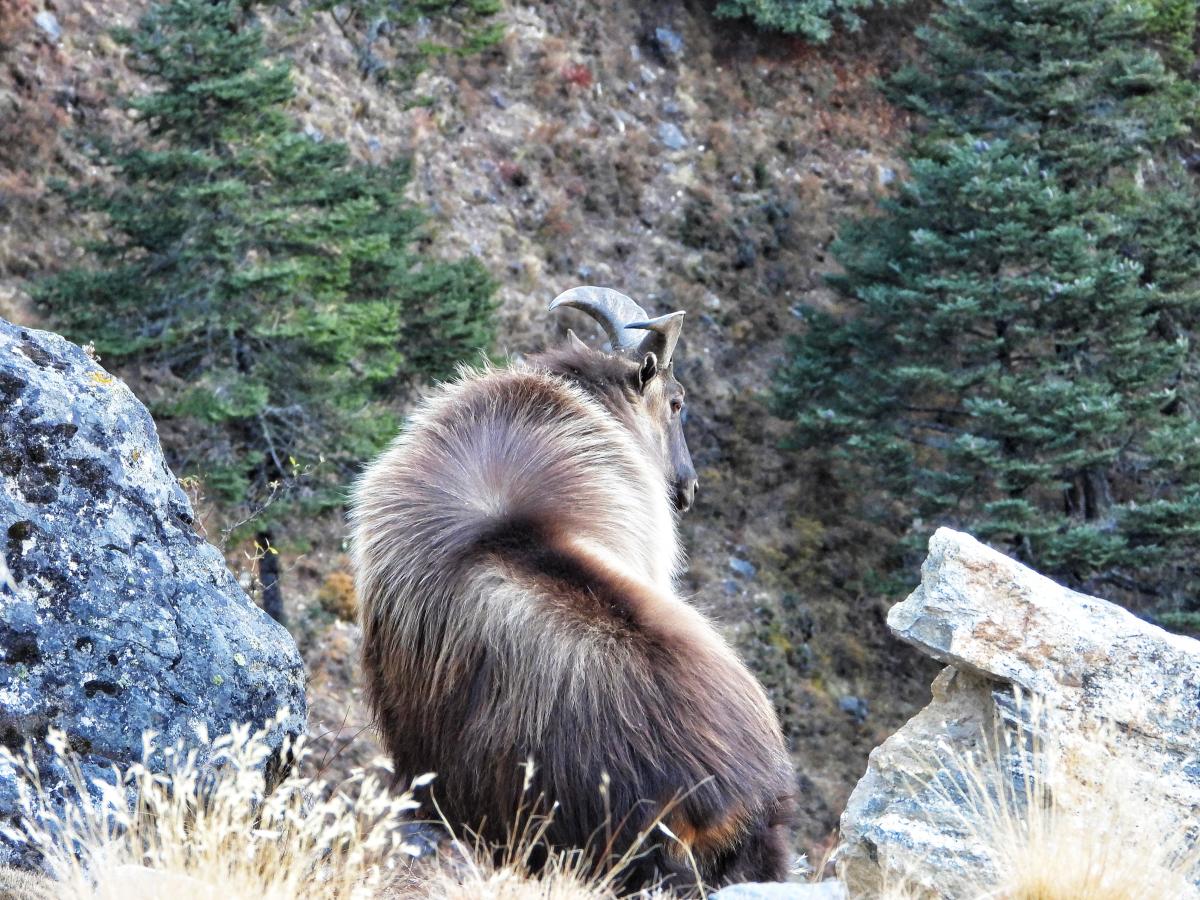
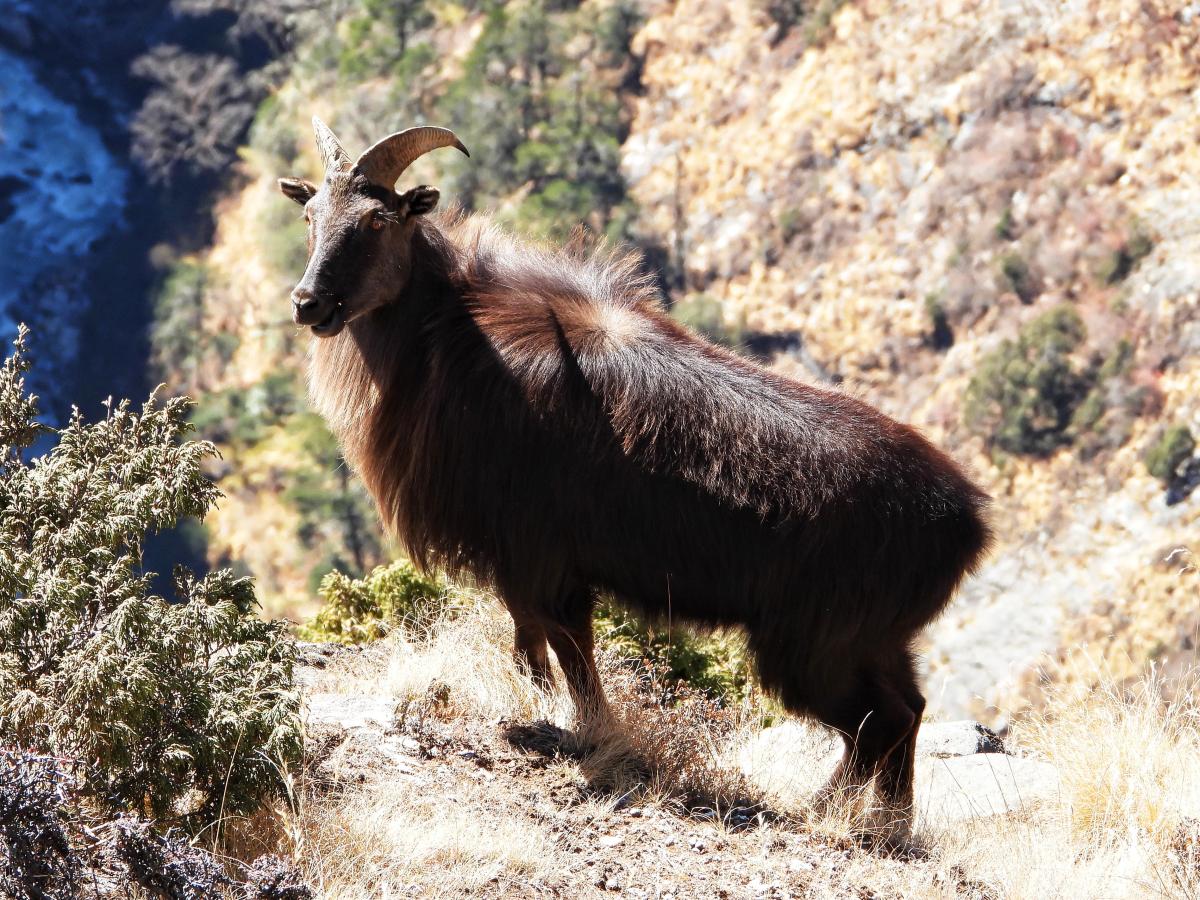
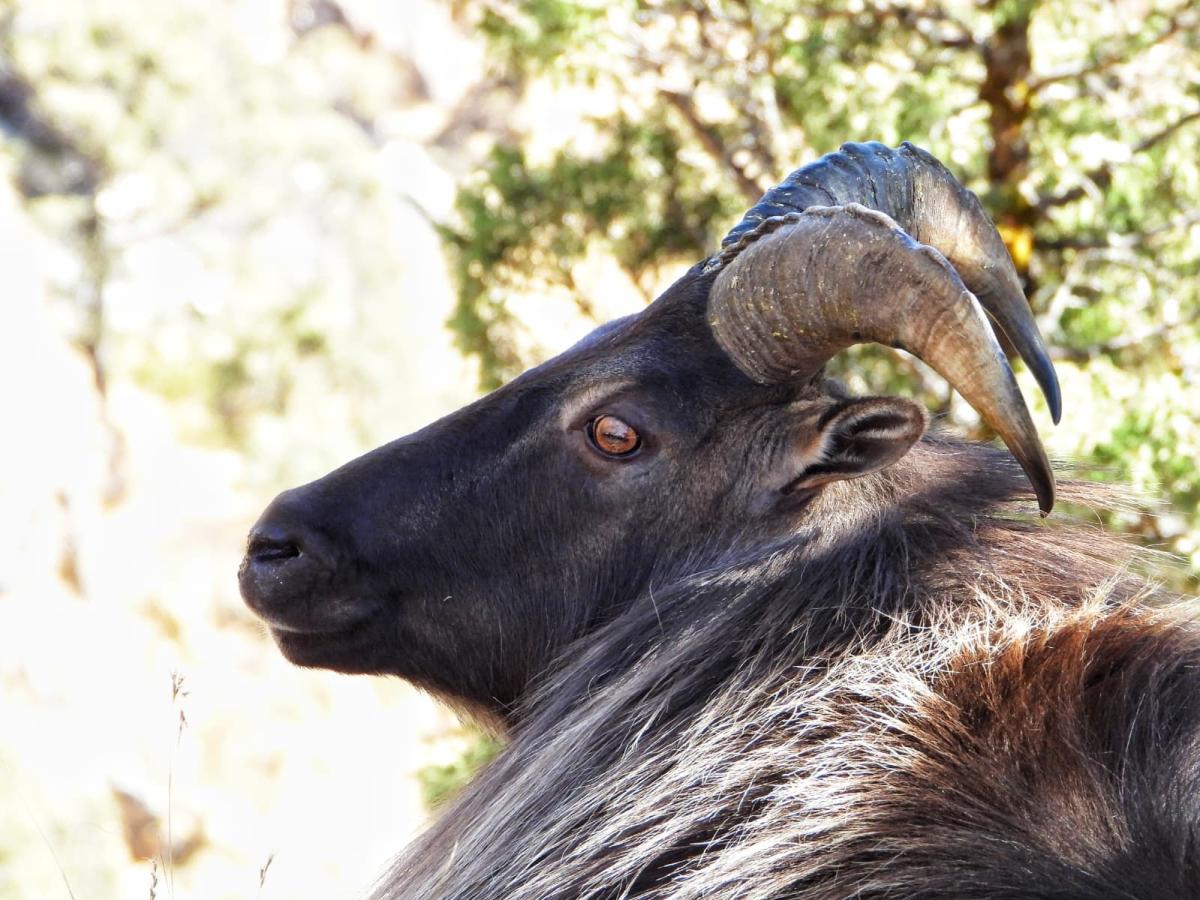
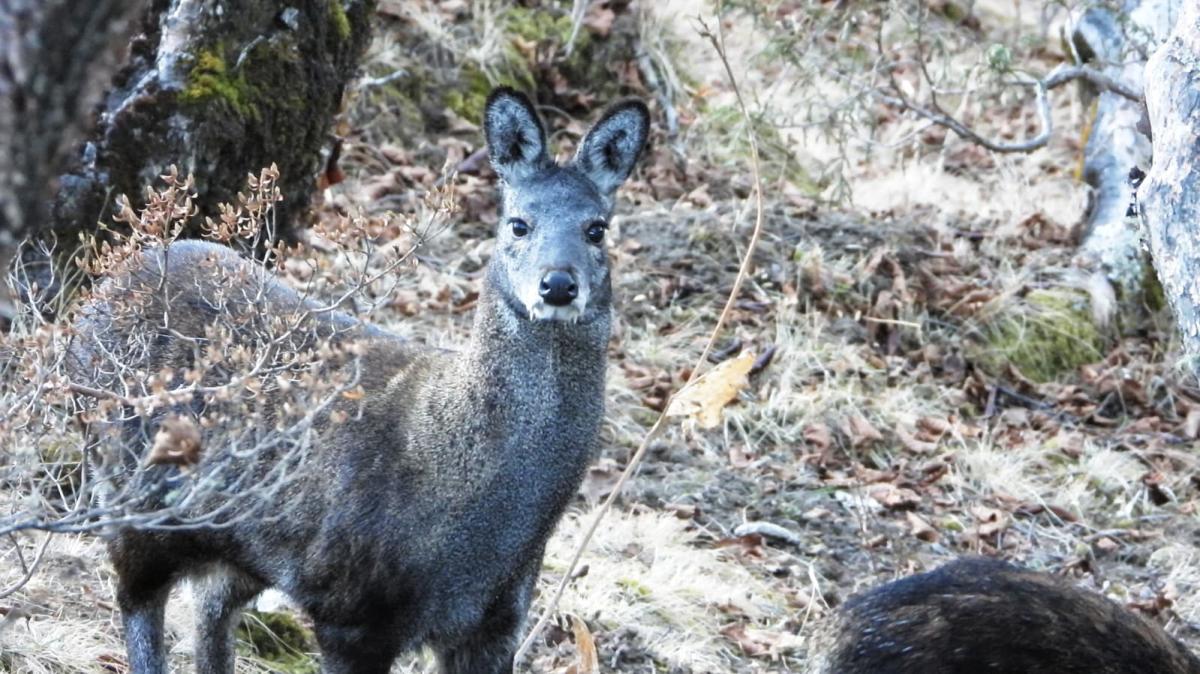


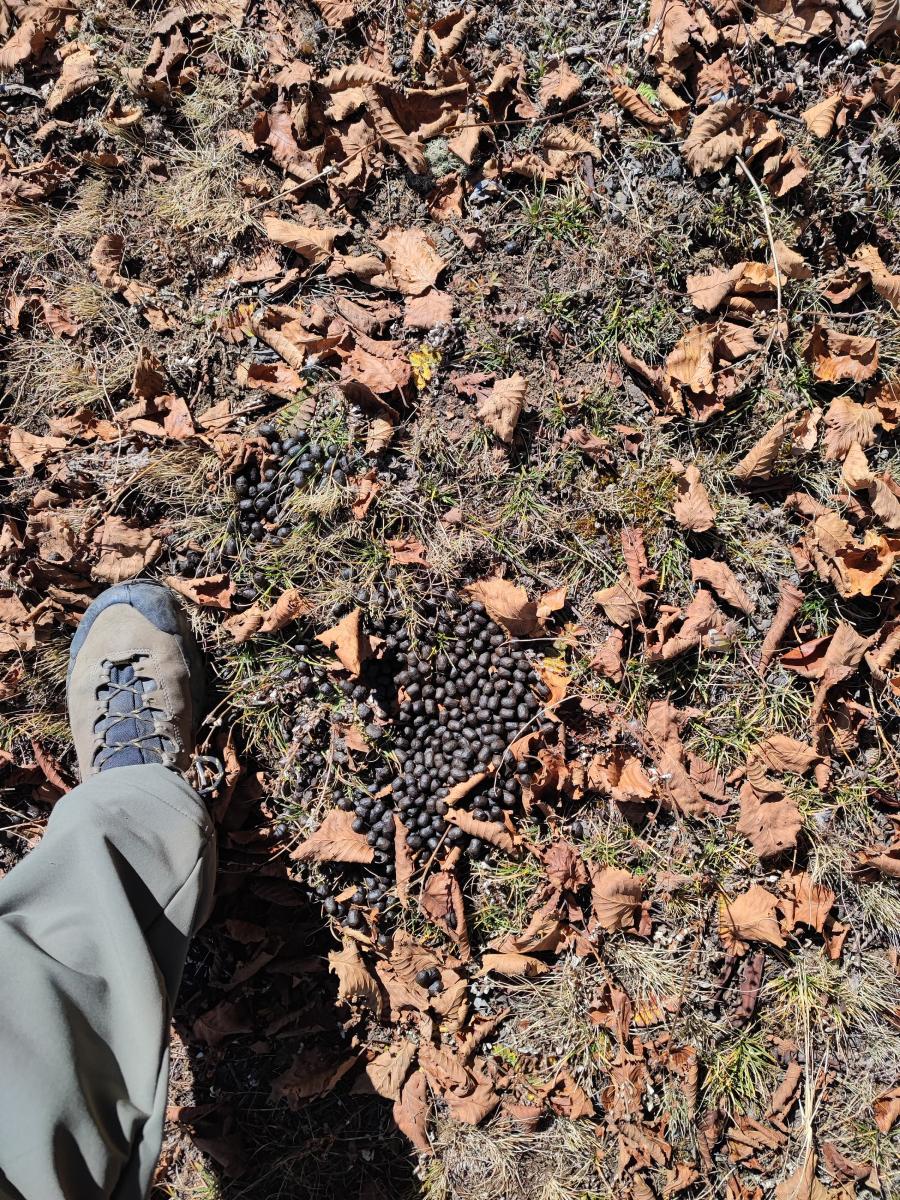
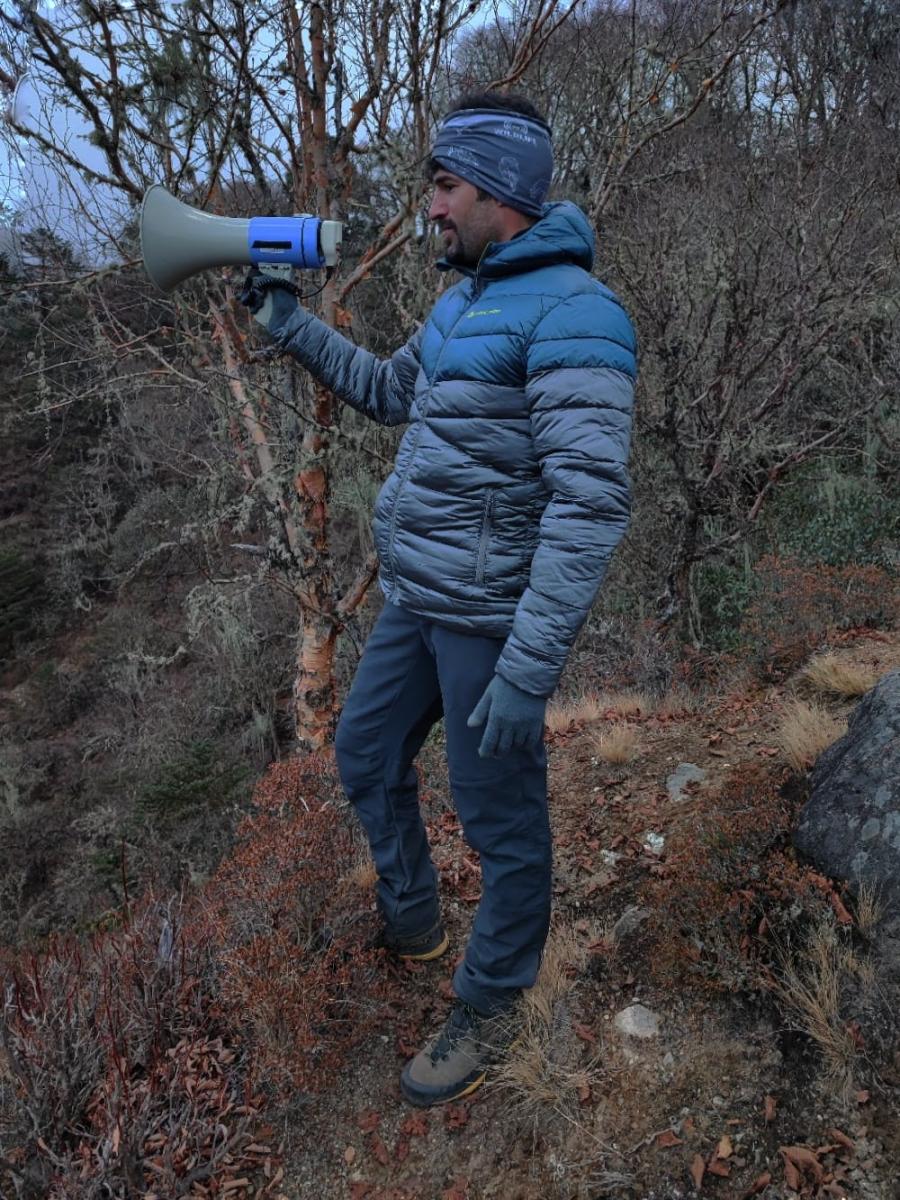
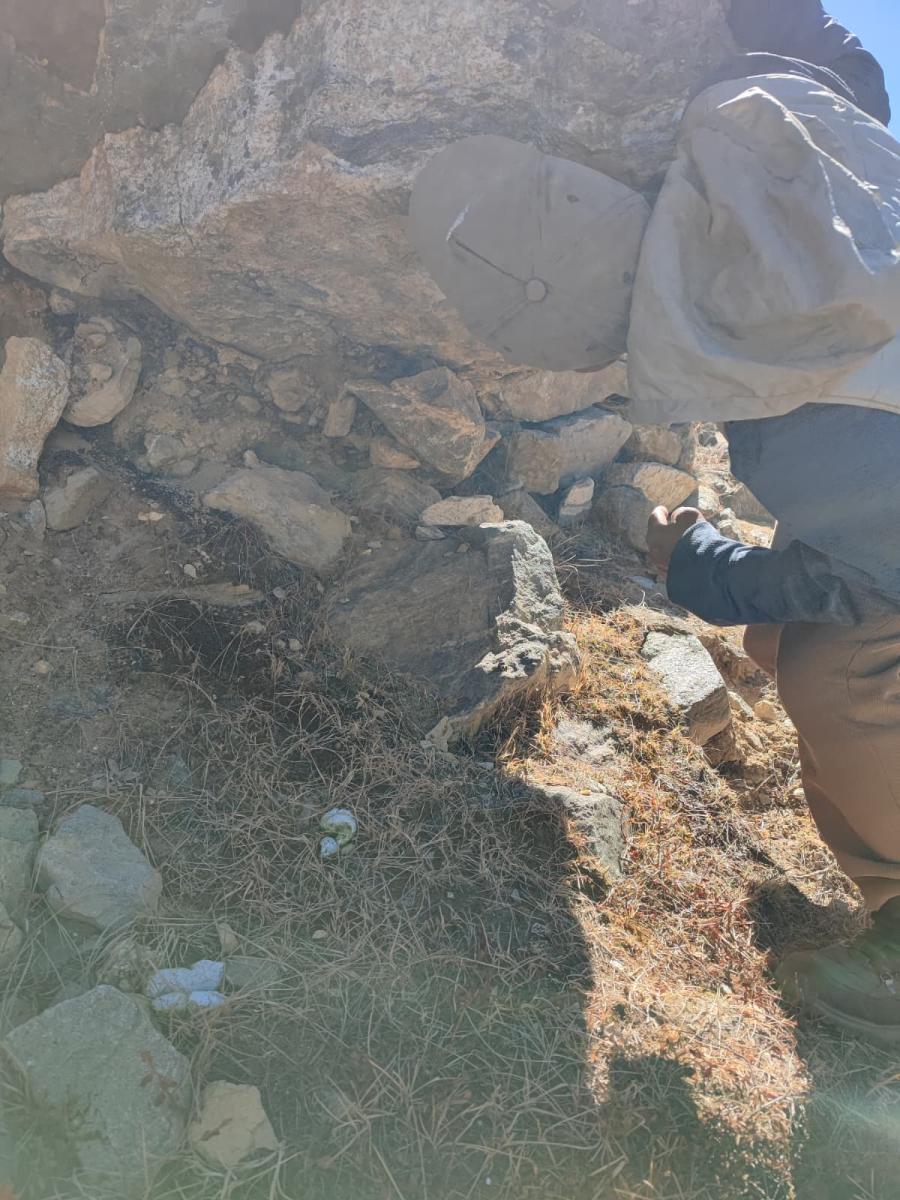
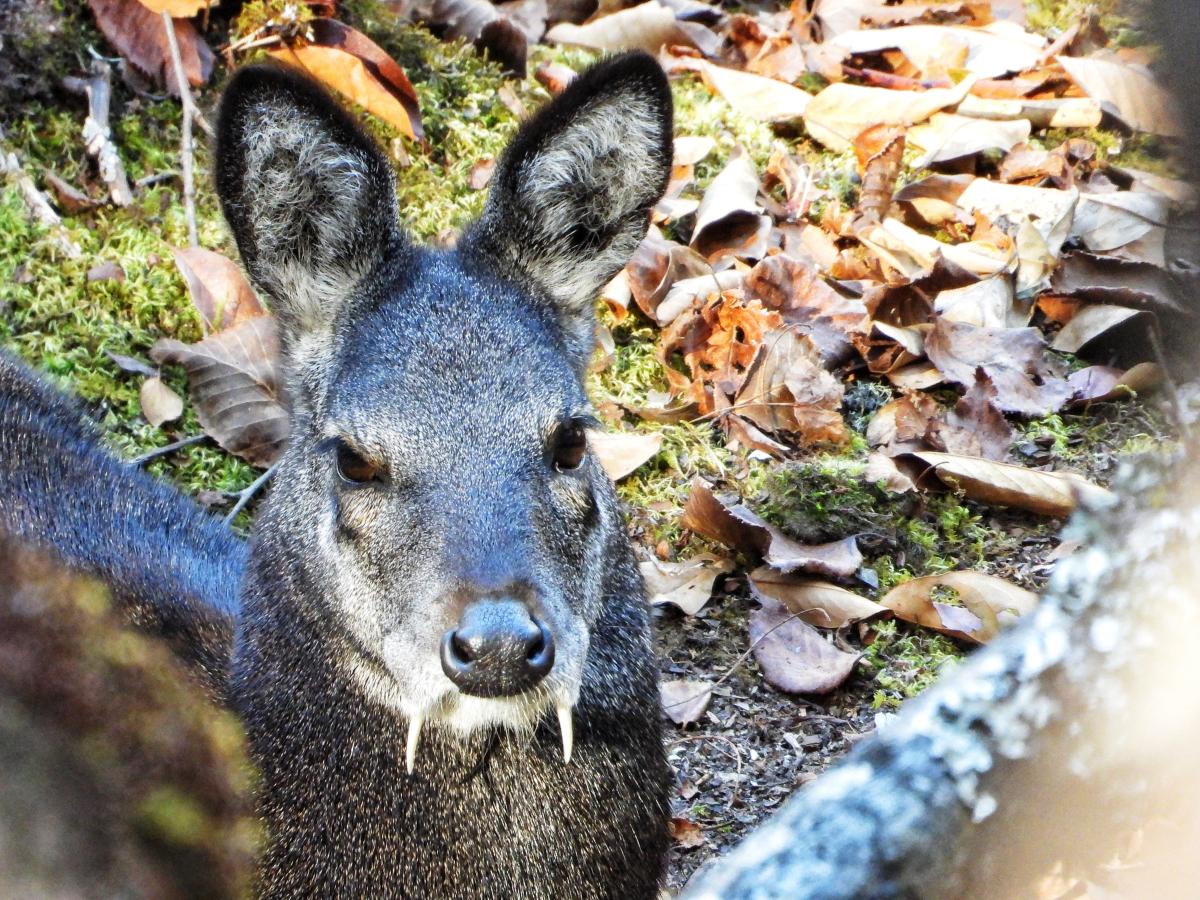
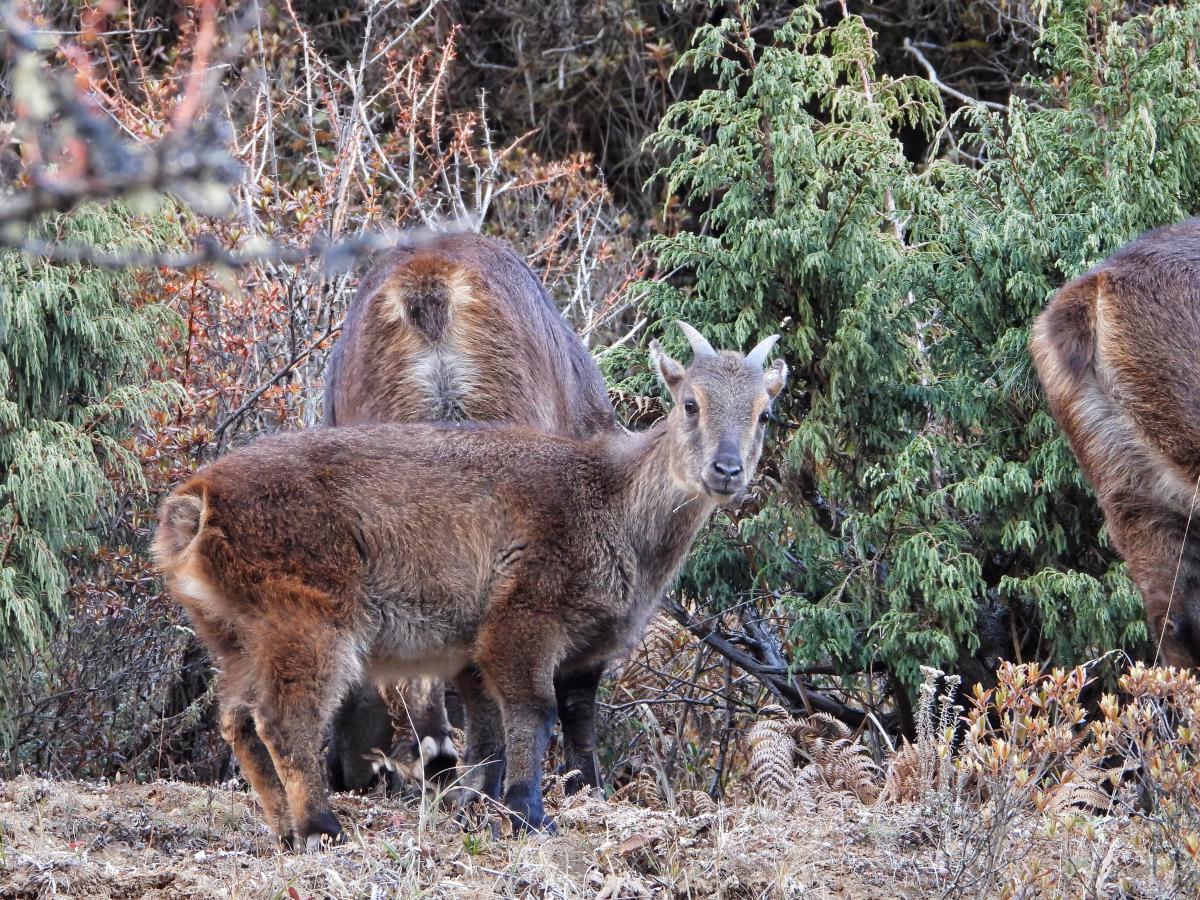
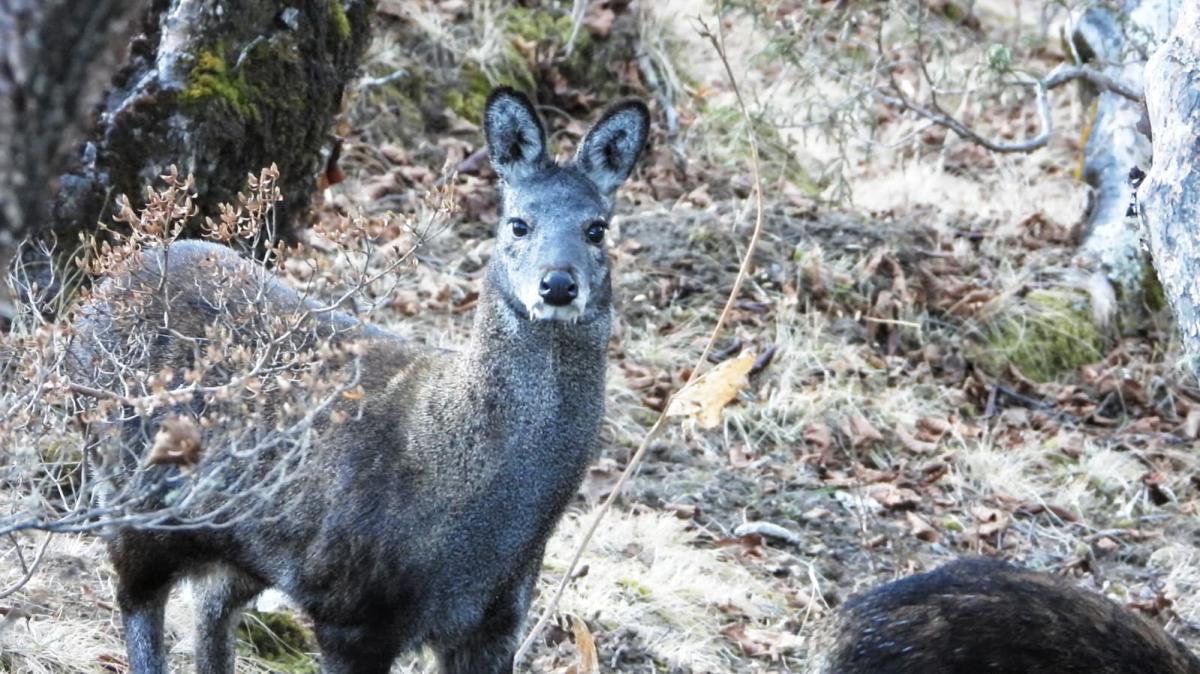
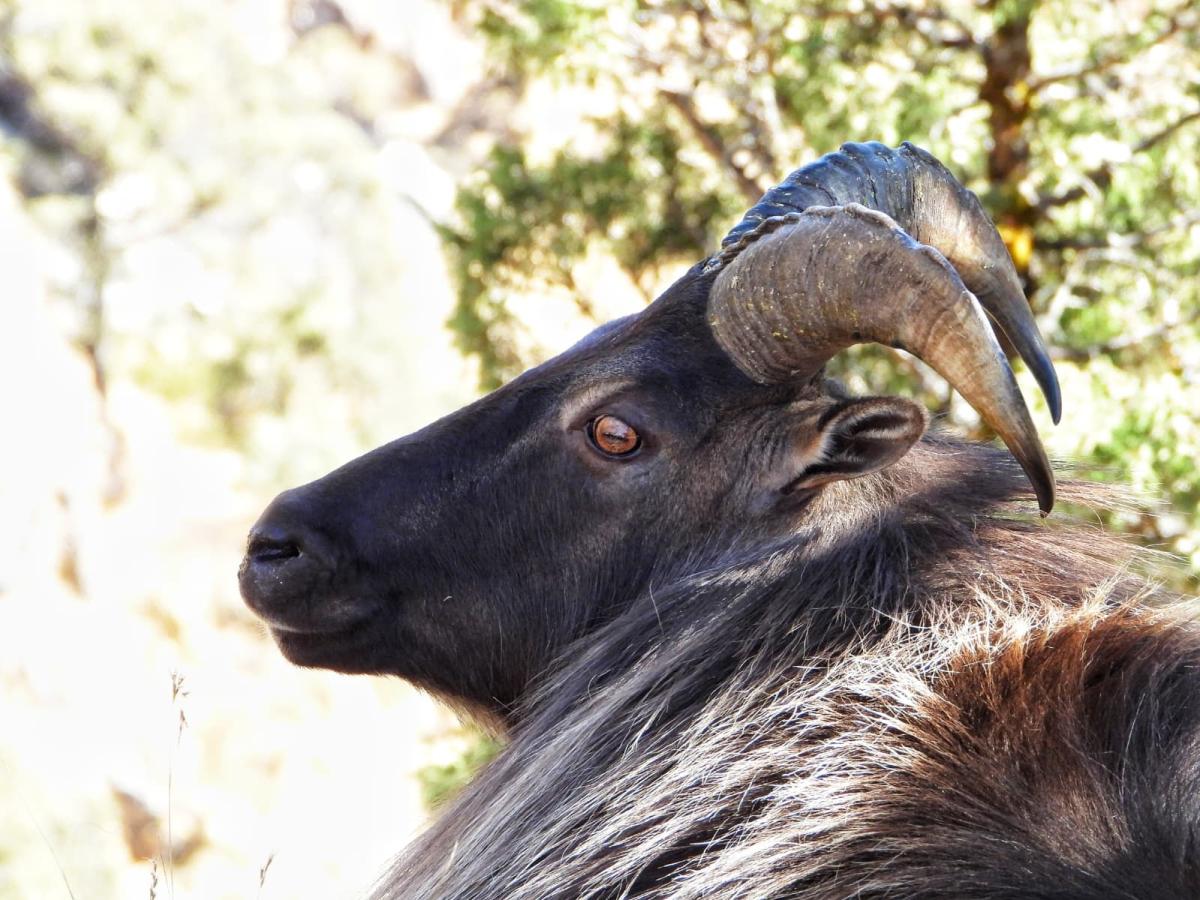
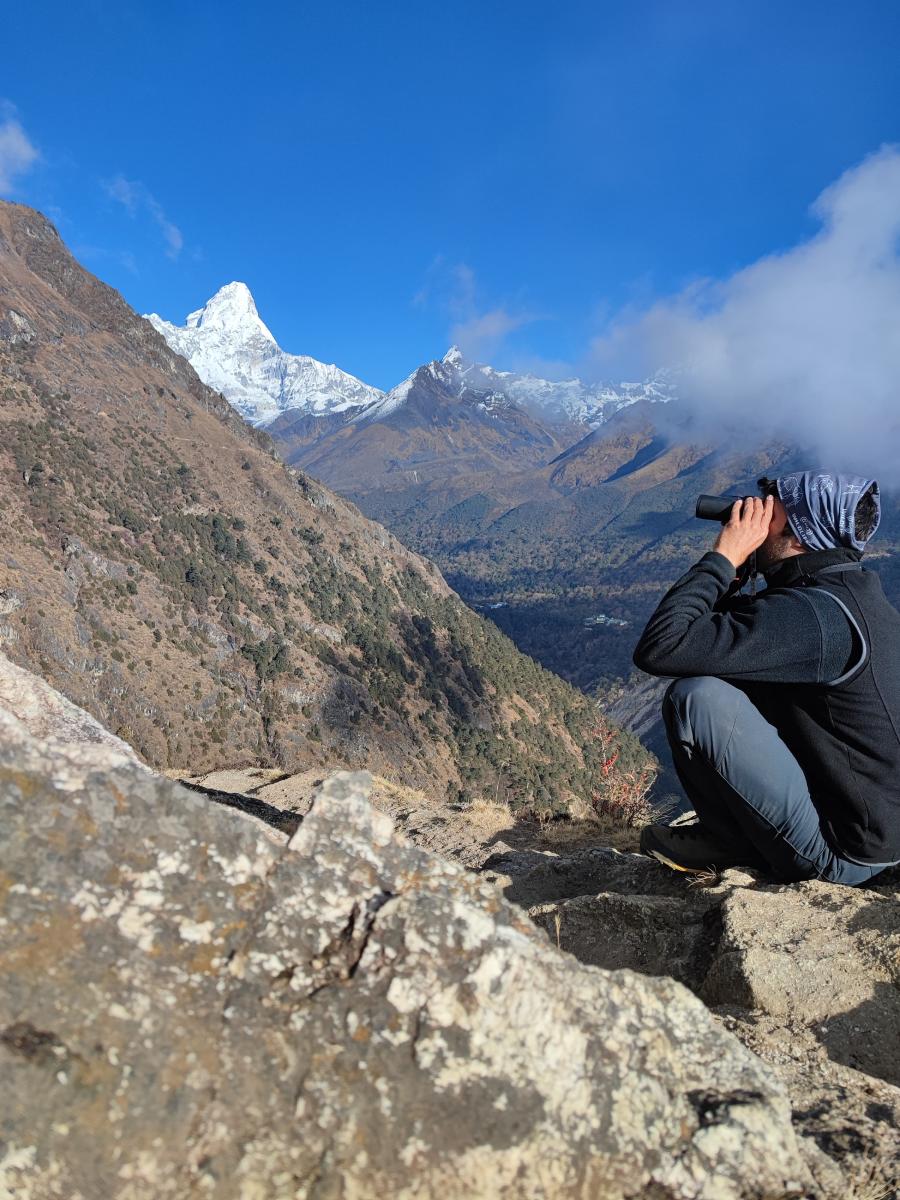
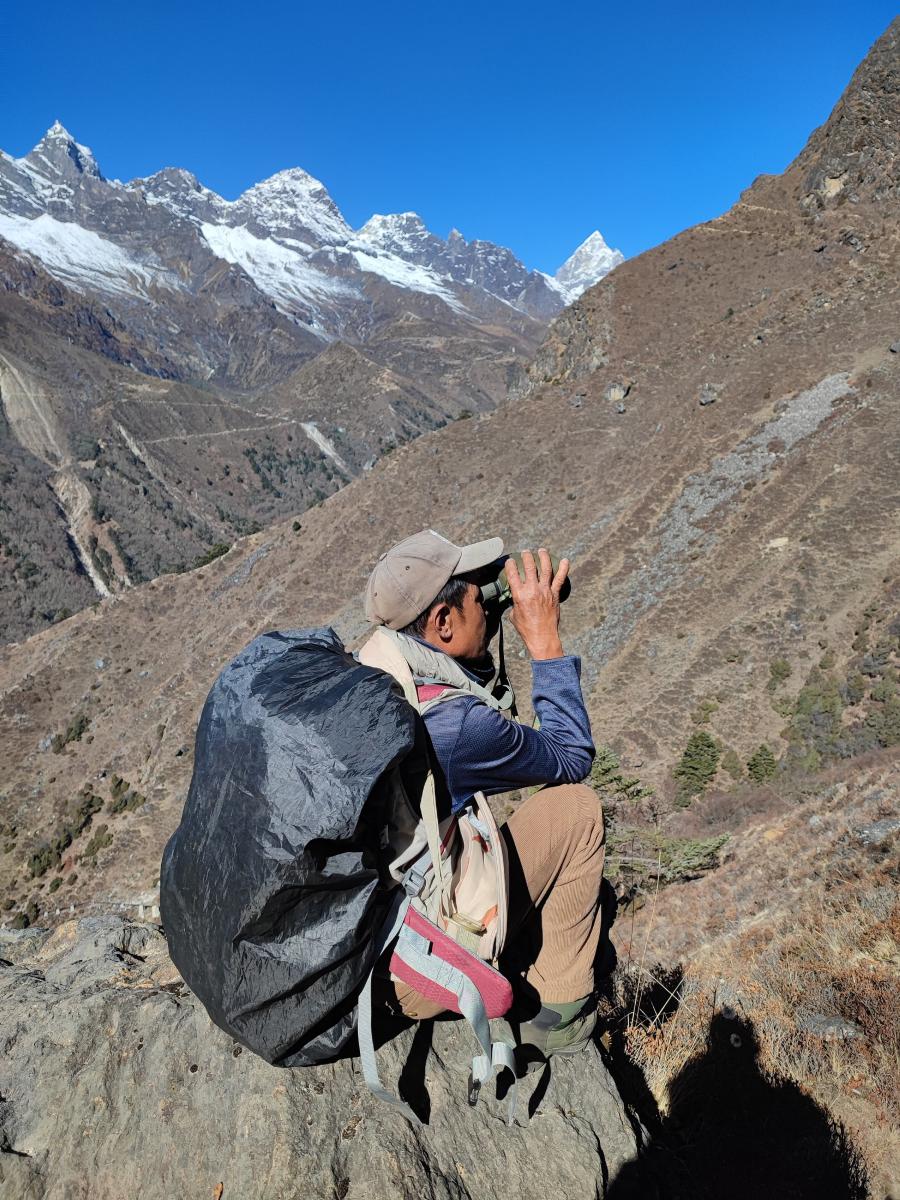
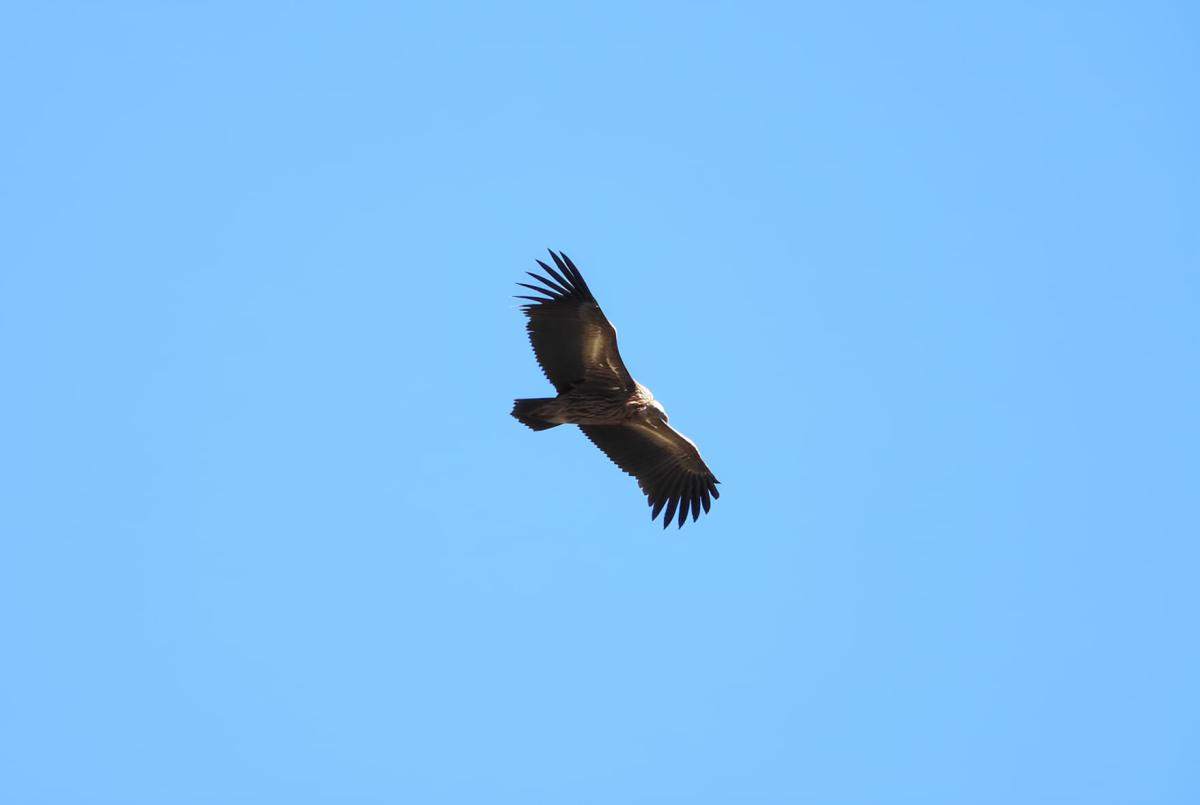
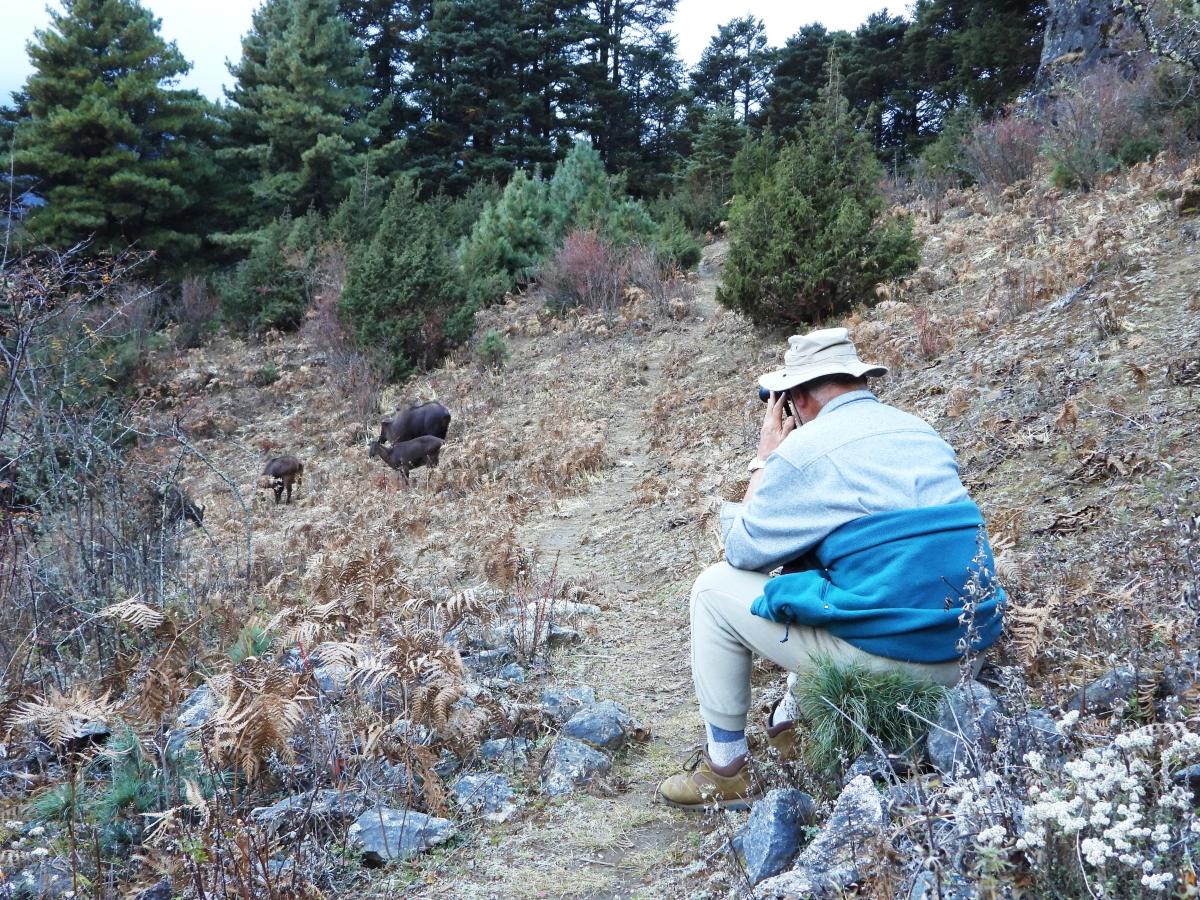
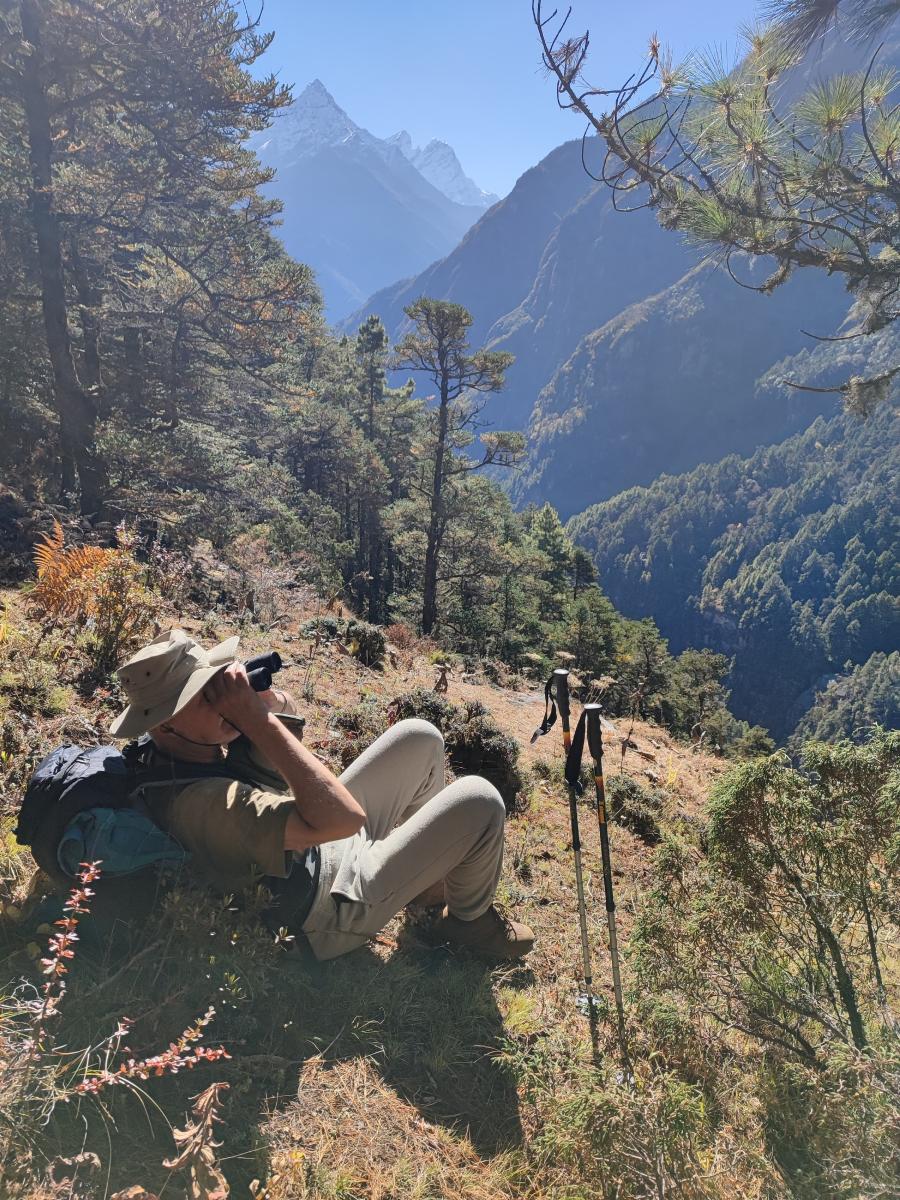
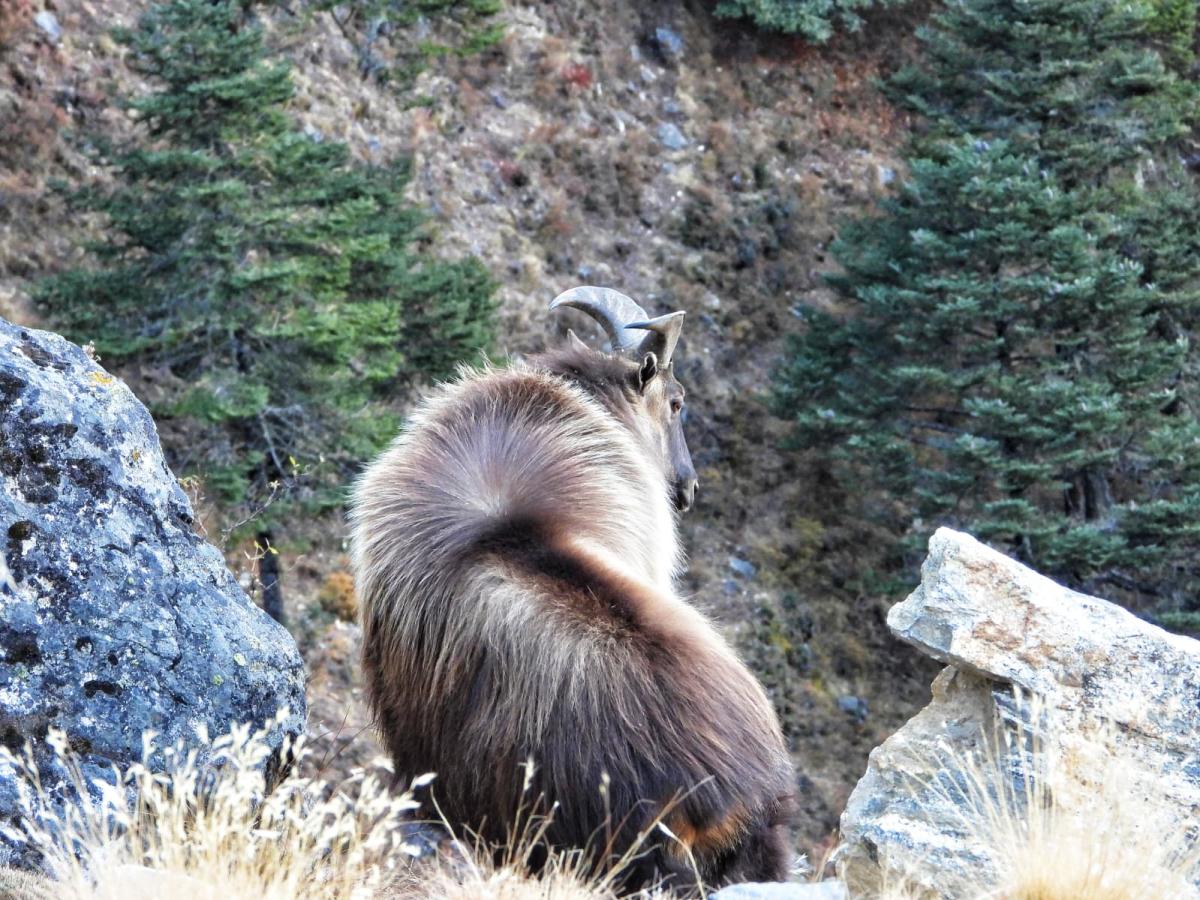
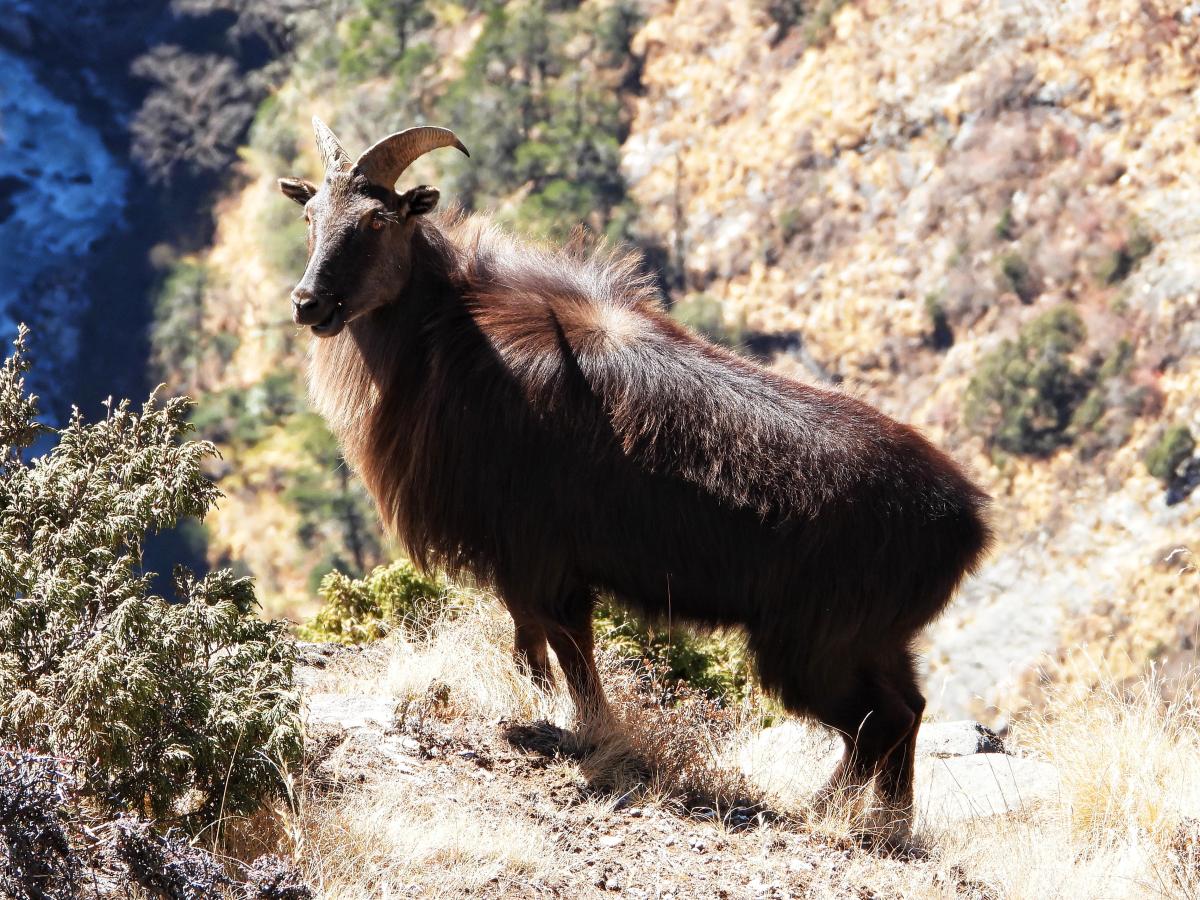
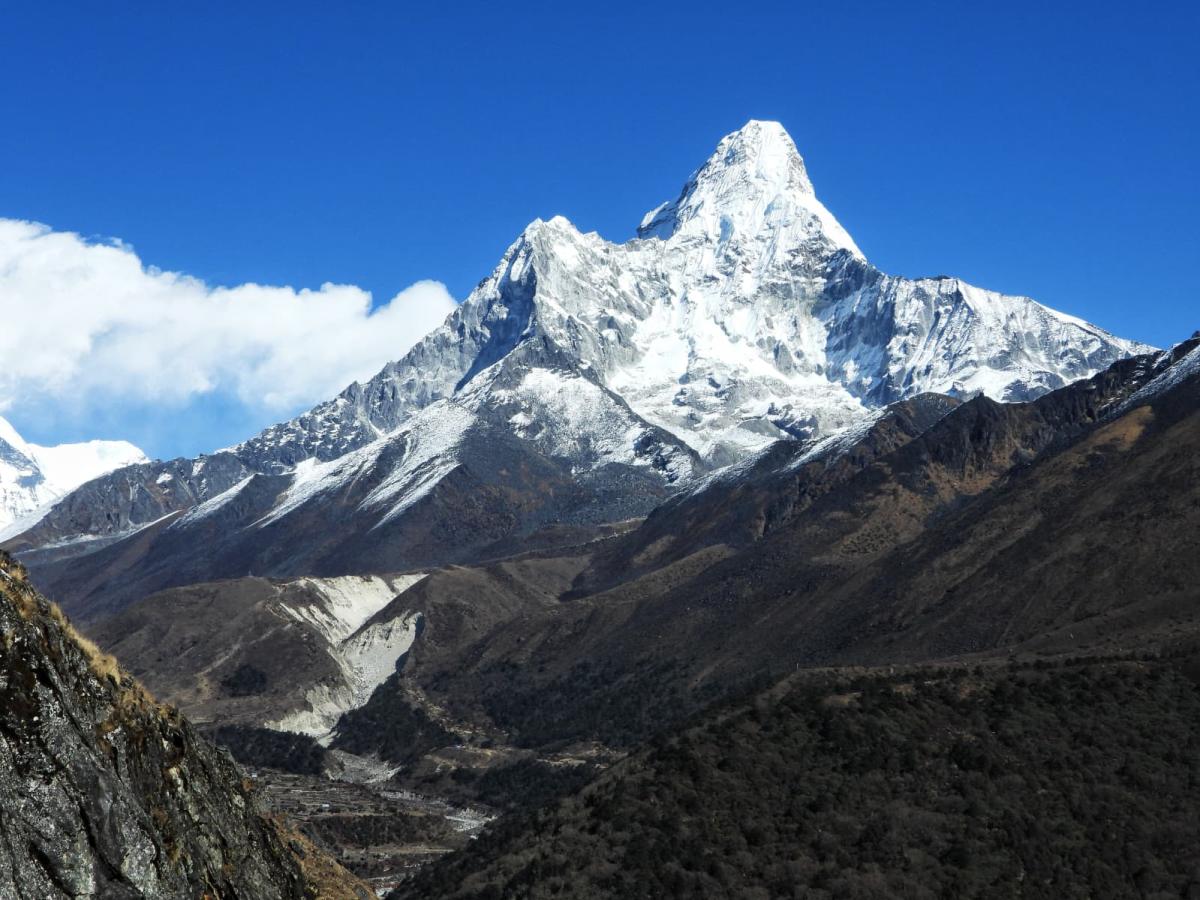
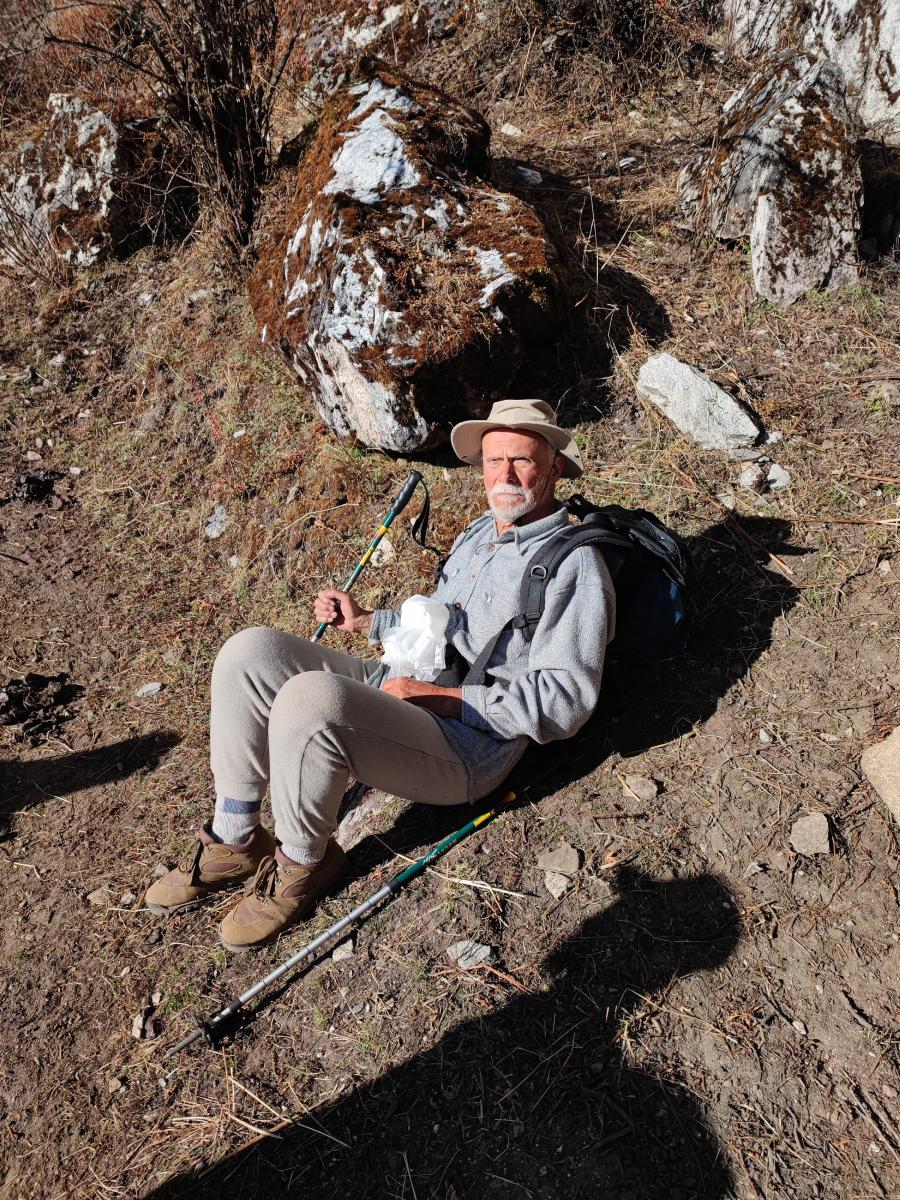
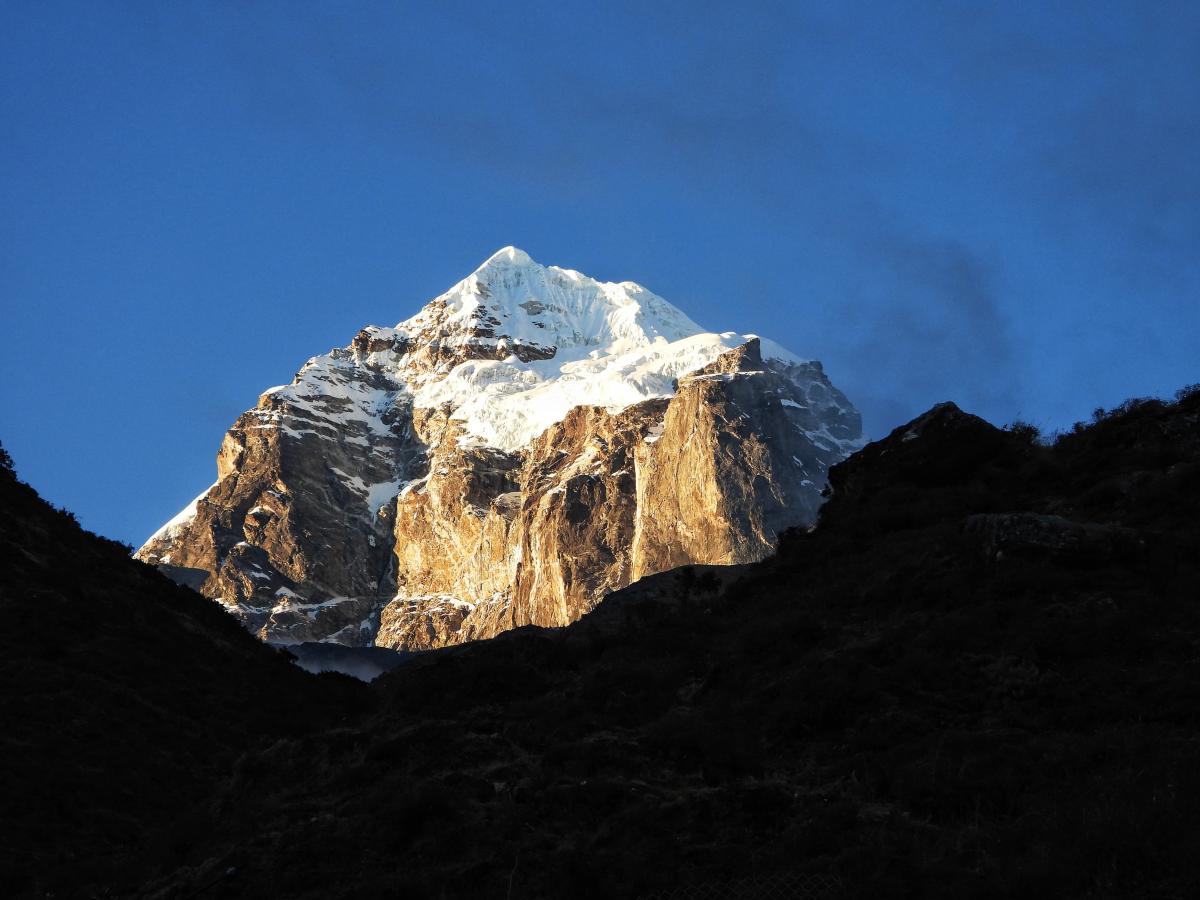
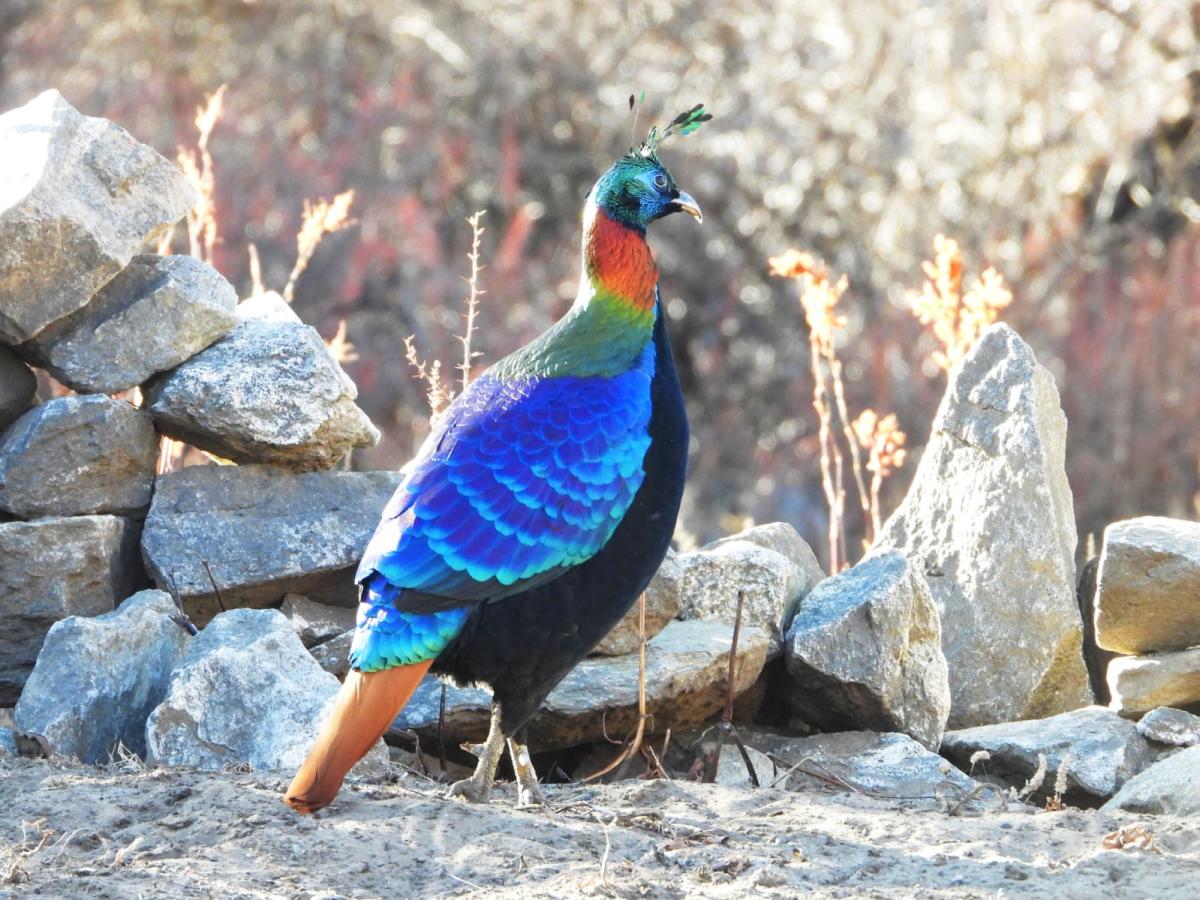
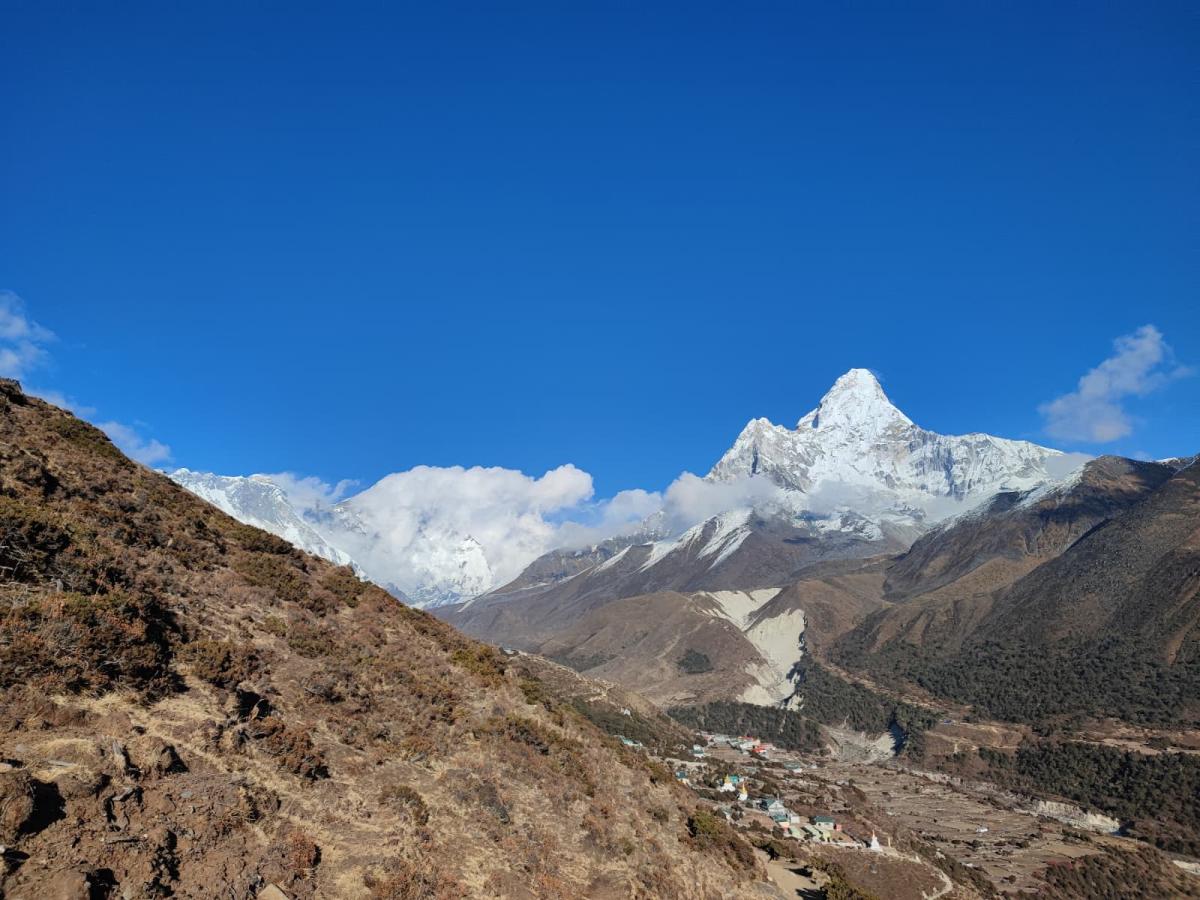
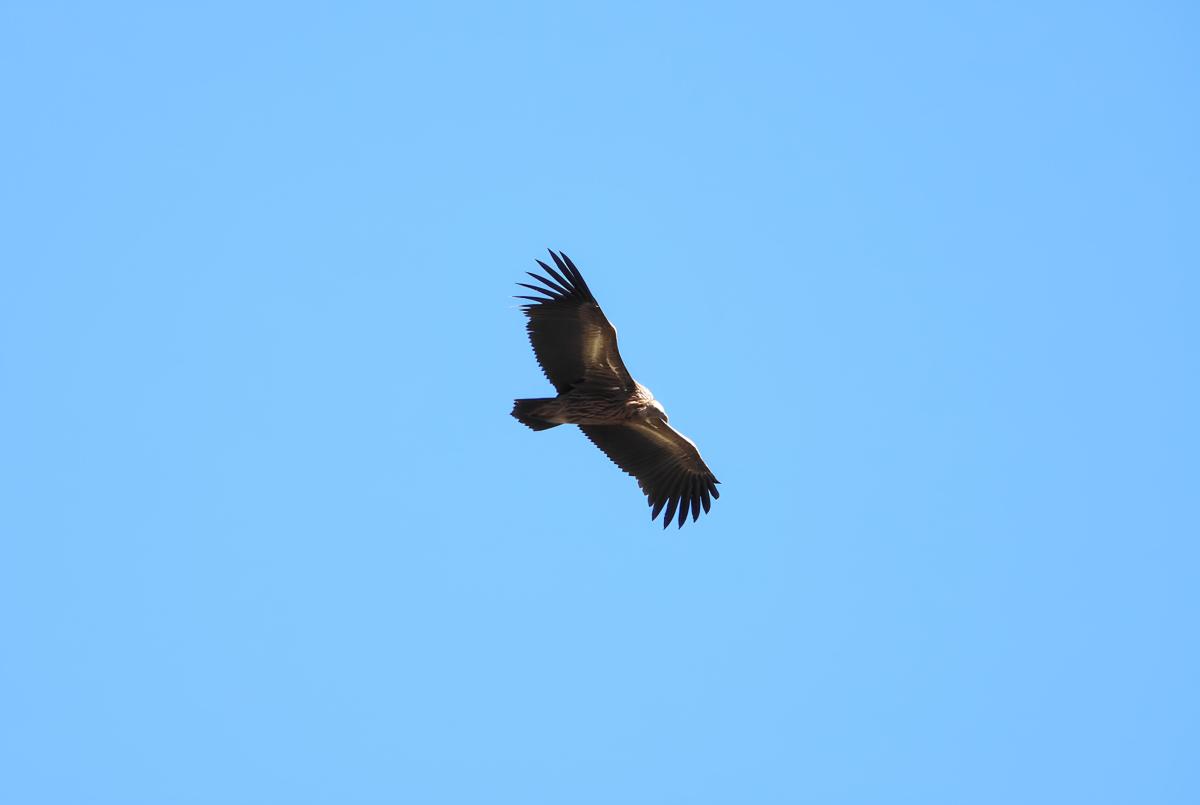
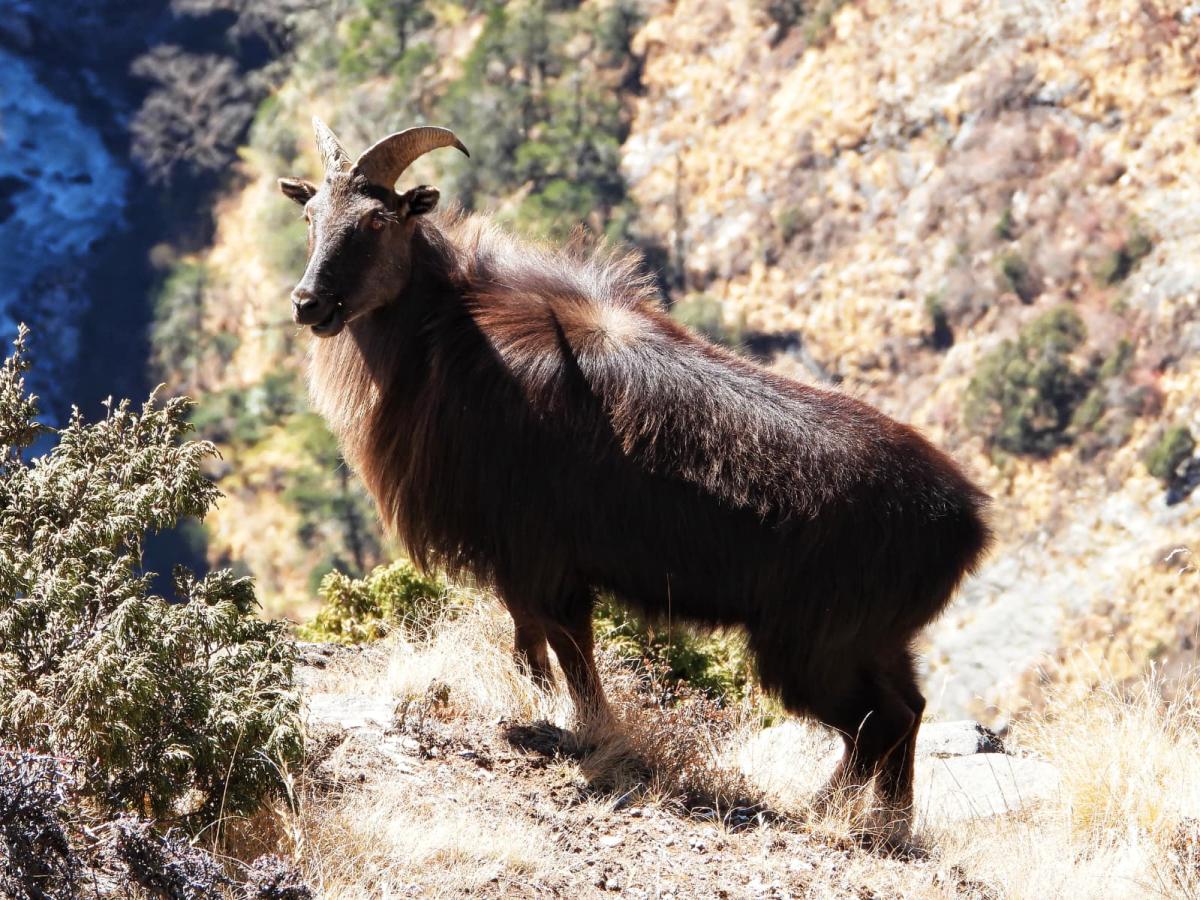
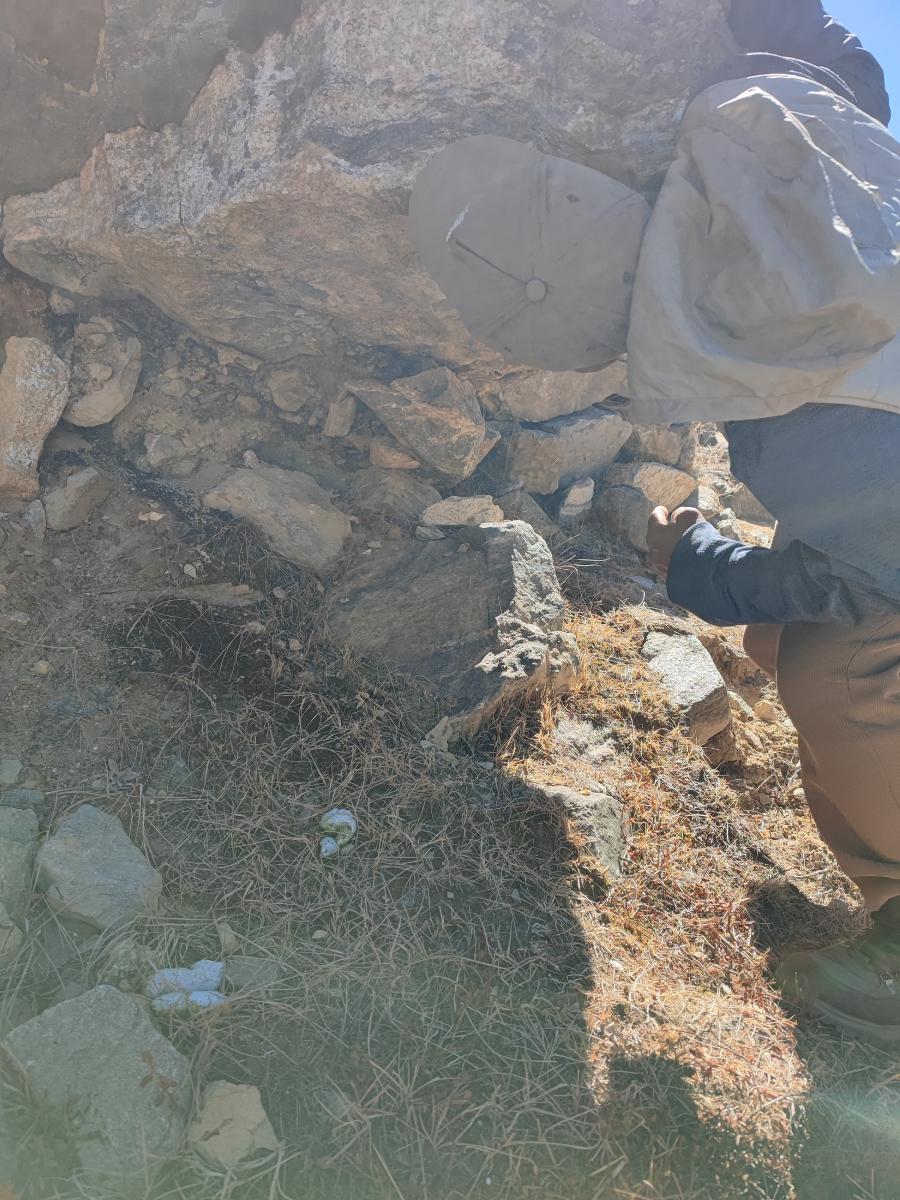
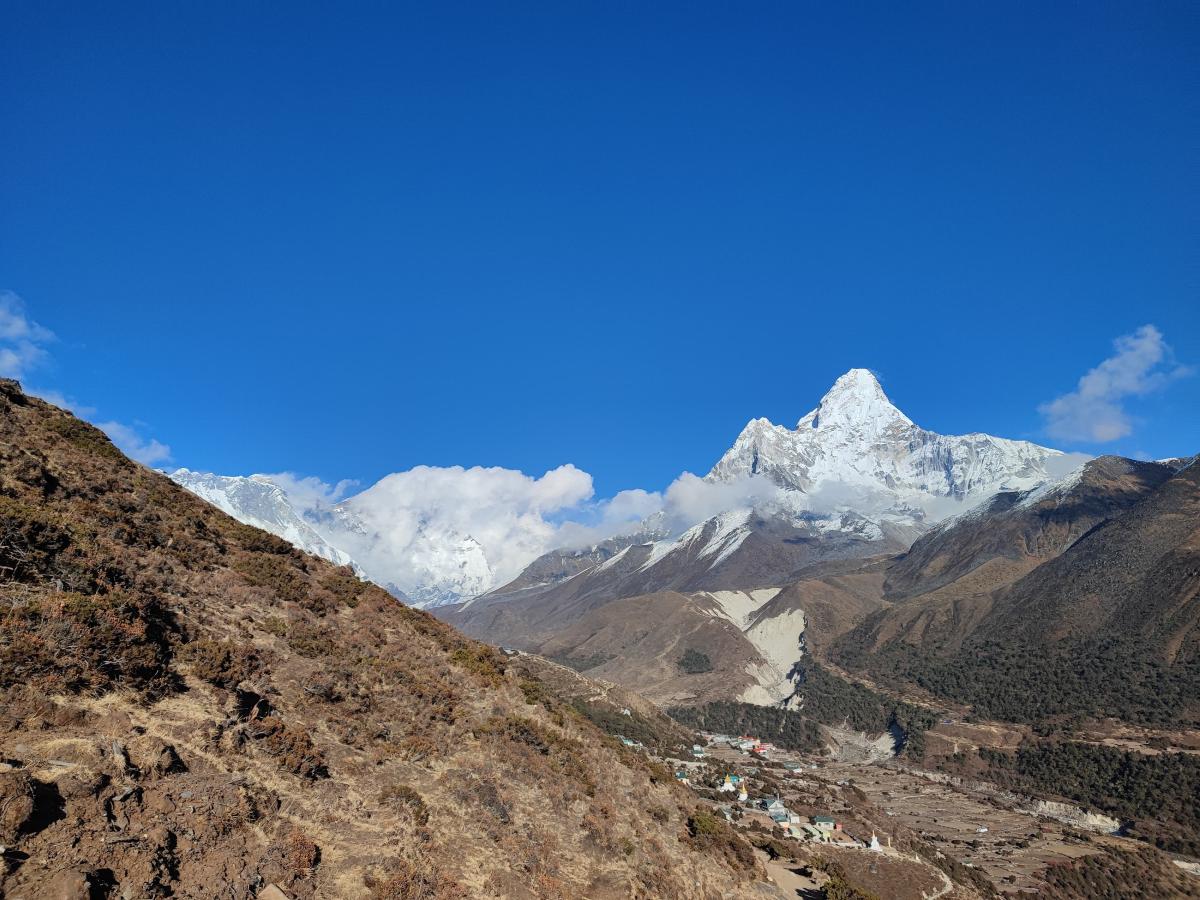
Last November, Prof. Sandro Lovari and Dr. Lorenzo Lazzeri from the University of Siena conducted an intensive exploratory mission within Sagarmatha National Park (Mount Everest) in Nepal. The objective was to verify the status of large carnivore populations, particularly the snow leopard (Panthera uncia), approximately 15 years after the last systematic research in the area. This survey represents an important preliminary activity within a broader and more complex three-year research project (2024-2026) titled "Variation of Biological Biodiversity along an Altitudinal Gradient in the Central Himalaya: Meso-Large Mammal Communities," led by Prof. Francesco Ferretti of the University of Siena. The main project focuses on the Tsum and Nubri valleys in the Manaslu Conservation Area, an ideal natural laboratory for studying nearly intact mammal communities. Here, the vertical distribution of species—from forests to high-altitude pastures—is influenced by topography and climate. A complex ecological network unfolds among herbivores like the bharal (blue sheep), Himalayan tahr, and musk deer, and their predators, including the Asiatic black bear, common leopard, Himalayan wolf, Eurasian lynx, and the very rare snow leopard. The team's goal is to analyze the diversity and abundance of these species at different elevations, primarily using camera traps to study their spatial and temporal relationships. The collected data will constitute a crucial scientific baseline for monitoring the impacts of climate change and human activities. The 36-month project involves Nepal's National Trust for Nature Conservation and includes training a Nepalese PhD student, aiming to strengthen local research capacity and produce shared knowledge. The November mission covered the Phortse, Namche, and Thame valleys, seeking answers on the current presence of large carnivores. The results, although preliminary and pending confirmation from genetic analyses of collected samples, paint a clear yet concerning picture. The Snow Leopard: A Solitary Ghost. Researchers estimate the probable presence of only one individual (likely a male) distributed between the Phortse and Namche valleys. The strongest indirect evidence comes from the status of its main prey, the Himalayan tahr: in these valleys, a "destructured" population was observed, with a very scarce presence of young and juveniles, an abnormal proportion of females, and a very low kid-to-female ratio—all typical signs of predator pressure. In contrast, the tahr population in the Thame valley appears well-structured, suggesting the absence of a stable predator. Recent signs of presence (scrapes, scat) were found to be very rare everywhere. The accidental death of a female, found three years ago at the base of a cliff, may not yet have been compensated for by new settlement, given the lower dispersal propensity of female felids. Wolf and Common Leopard: Elusive Presences. Signals for the Himalayan wolf are also weak: a possible presence of a few individuals was hypothesized in the Kunde area, but attempts at "wolf howling" calls in Namche and Phortse received no response. Regarding the common leopard, it was not possible to confirm a stable presence during the survey. A Positive Note: The Musk Deer Persists. At lower elevations, in forested areas, researchers did not find the feared decline of the Himalayan musk deer, a small cervid often a victim of poaching for traditional Eastern medicine. This preliminary data is an encouraging sign. The expedition's initial conclusions highlight a critical situation for large carnivores in Sagarmatha, with extremely reduced and fragile populations. DNA analysis of the collected scat will allow for the certain identification of species, sex, and minimum number of individuals, providing solid data for conservation. This mission, beyond shedding light on the status of iconic species, underscores the urgency and value of the broader research project. Studying predator-prey dynamics along the entire Himalayan gradient is not merely a scientific exercise, but a fundamental tool for protecting the extraordinary, and precarious, biodiversity of the roof of the world, while simultaneously training a new generation of scientists and conservationists.A "Census" of Large Carnivores in Sagarmatha: The Preliminary Report from Prof. Lovari's Expedition in Nepal
The Framework Project: Biodiversity Along a Himalayan Gradient
The Field Report: Initial Clues on the Snow Lords of Sagarmatha
Prospects and Significance
 English Version Below